-
HiPEAC Vision 2026Why Europe should create its own future, not imitate others
The ripple effects of developments in artificial intelligence (AI)– mostly emanating from a limited group of companies outside of Europe and taking place at breakneck speed – continue to spread across the computing ecosystem, with implications for everything from individual careers up to whole industries. As hyperscalers announce massive infrastructure buildouts and AI tools gain…
-
Cognitive computing continuum cluster explores trusted AI lifecycle management at Data Week 2026
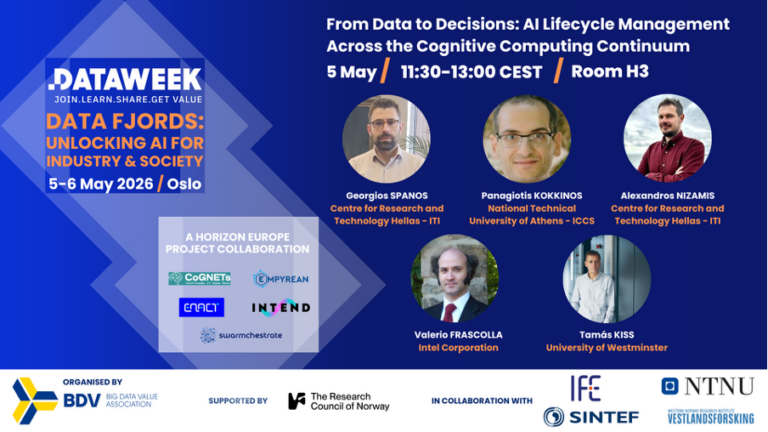
Europe’s vision for the cognitive computing continuum is becoming increasingly concrete: AI systems capable of operating seamlessly across edge, cloud, and high-performance computing infrastructures while remaining trustworthy, interoperable, energy efficient, and scalable. This vision was explored during the workshop “From Data to Decisions: AI Lifecycle Management Across the Cognitive Computing Continuum”, held at Data Week…
-
Mapping Europe’s Cloud-Edge-IoT Ecosystem: CEI-Sphere Launches New Use Case Visualisation Tool
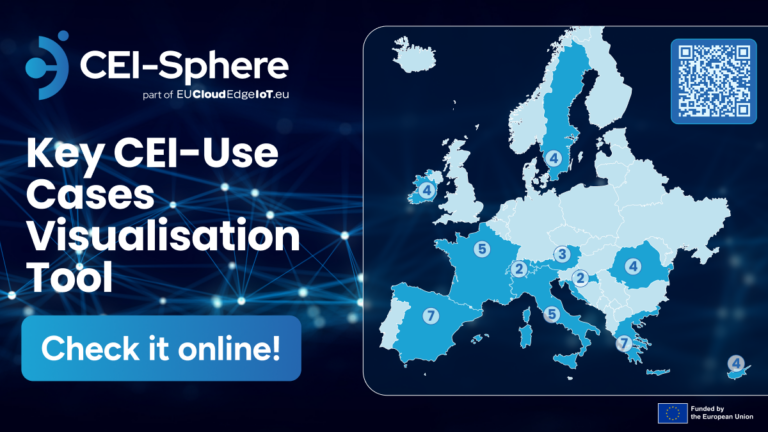
Europe’s Cloud-Edge-IoT (CEI) ecosystem is growing rapidly, but understanding how innovations connect across sectors, technologies and stakeholders remains a challenge. From energy systems and smart mobility to industrial optimisation and agrifood applications, many initiatives are developing valuable solutions, yet the ecosystem itself often remains fragmented and difficult to navigate. To help address this, the CEI-Sphere…
-
FOSDEM 2026 Through a Digital Policy Lens
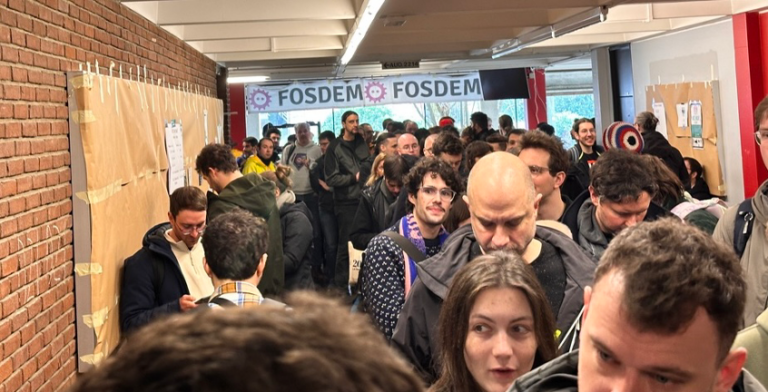
FOSDEM has always been a mirror of the open-source ecosystem: its strengths, its tensions, and its future directions. Across the Open Source & EU Policy, Legal, and CRA in Practice devrooms, a consistent narrative emerged: European regulation, standards, and public investment are deeply entangled with the technical realities of open ecosystems. This post highlights key insights from those FOSDEM tracks and reflects on how they align with — and challenge — what NexusForum is promoting. From “Open Source and Policy” to “Open Source as Policy” One of the most striking elements of the Open Source & EU Policy devroom was how far the conversation has evolved. Rather than treating policy as an external constraint imposed on developers, many talks framed open source itself as a policy instrument — a means to achieve public goals such as digital sovereignty, resilience, and interoperability. Discussions around European digital sovereignty repeatedly rejected simplistic narratives of technological independence. Instead, speakers emphasised sovereignty as capability: the ability to understand, influence, maintain, and evolve the software that underpins society. This framing aligns closely with NexusForum’s emphasis on participation in global open ecosystems rather than isolation from them. The implication is clear: Europe’s strategic autonomy depends less on “owning” software and more on sustaining strong, well-governed open communities that European actors actively contribute to. Governance, Procurement, and the Digital Commons Another recurring theme was governance — not…
-
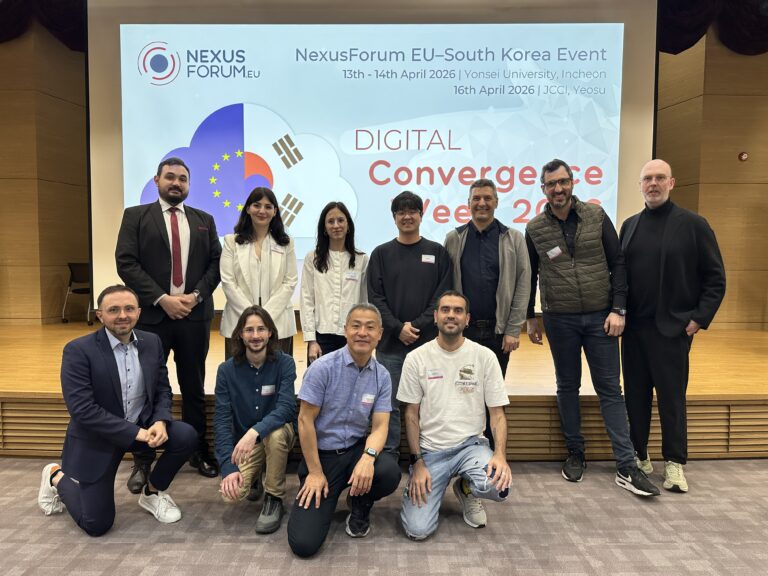
Event Report: NexusForum.EU Digital Convergence Week 2026
EU and South Korea Strengthen Digital Ties at Successful Convergence Week in Incheon. The NexusForum EU-South Korea Digital Convergence Week 2026 took place between 13th to 16th of April 2026, marking a significant milestone in the maturing digital partnership between the two regions. Held at the Yonsei University International Campus, the event drew a strong…
-
O-CEI First Open Call: 24 innovators selected to scale Europe’s Cloud-Edge-IoT ecosystem
The Context The first Open Call of the O-CEI project has reached an important milestone with the selection of its winners, marking a key step in supporting the next generation of Cloud–Edge–IoT (CEI) solutions across Europe. The call attracted a strong response from the European innovation ecosystem, with 249 proposals submitted from 37 countries, reflecting…