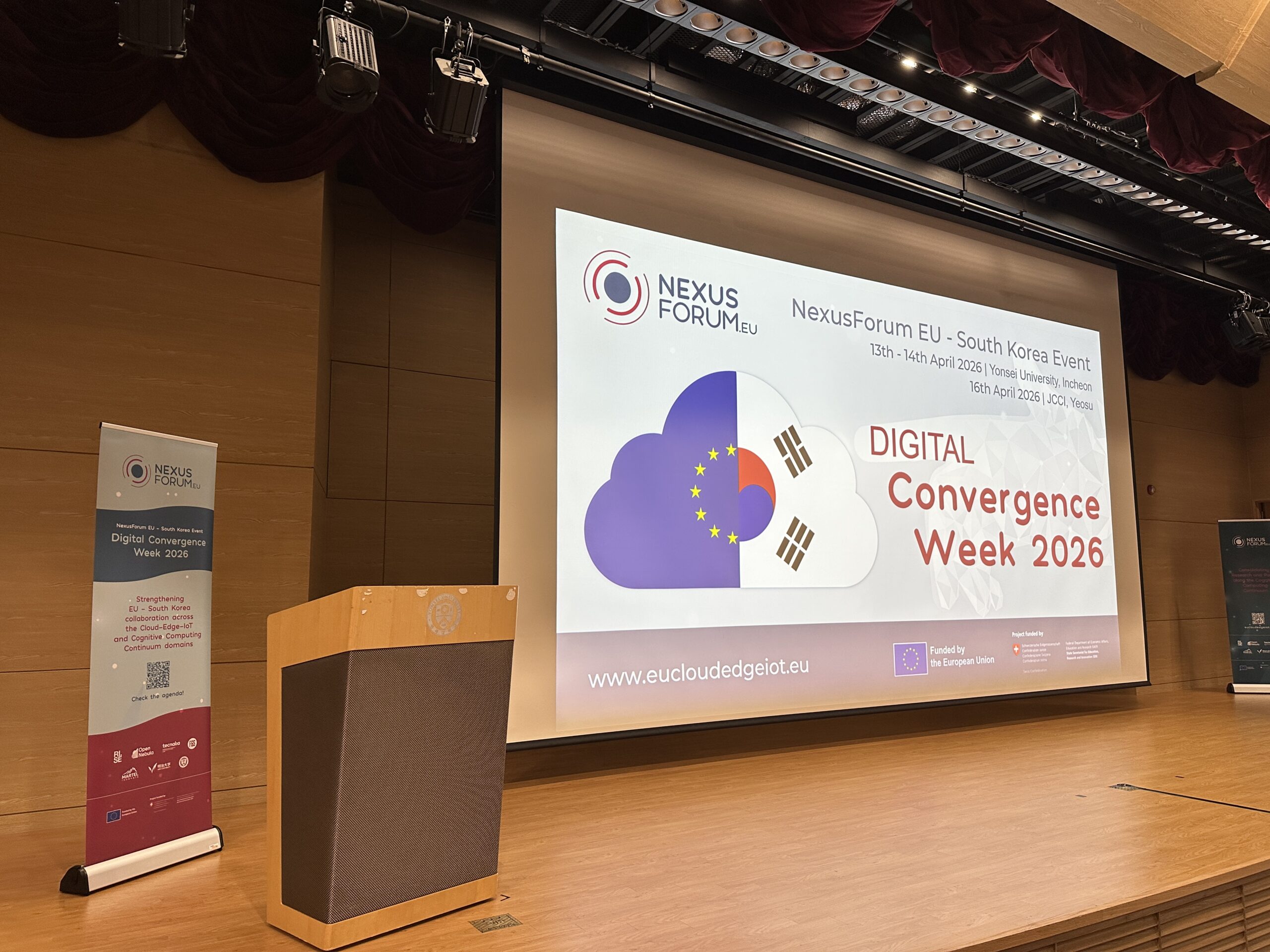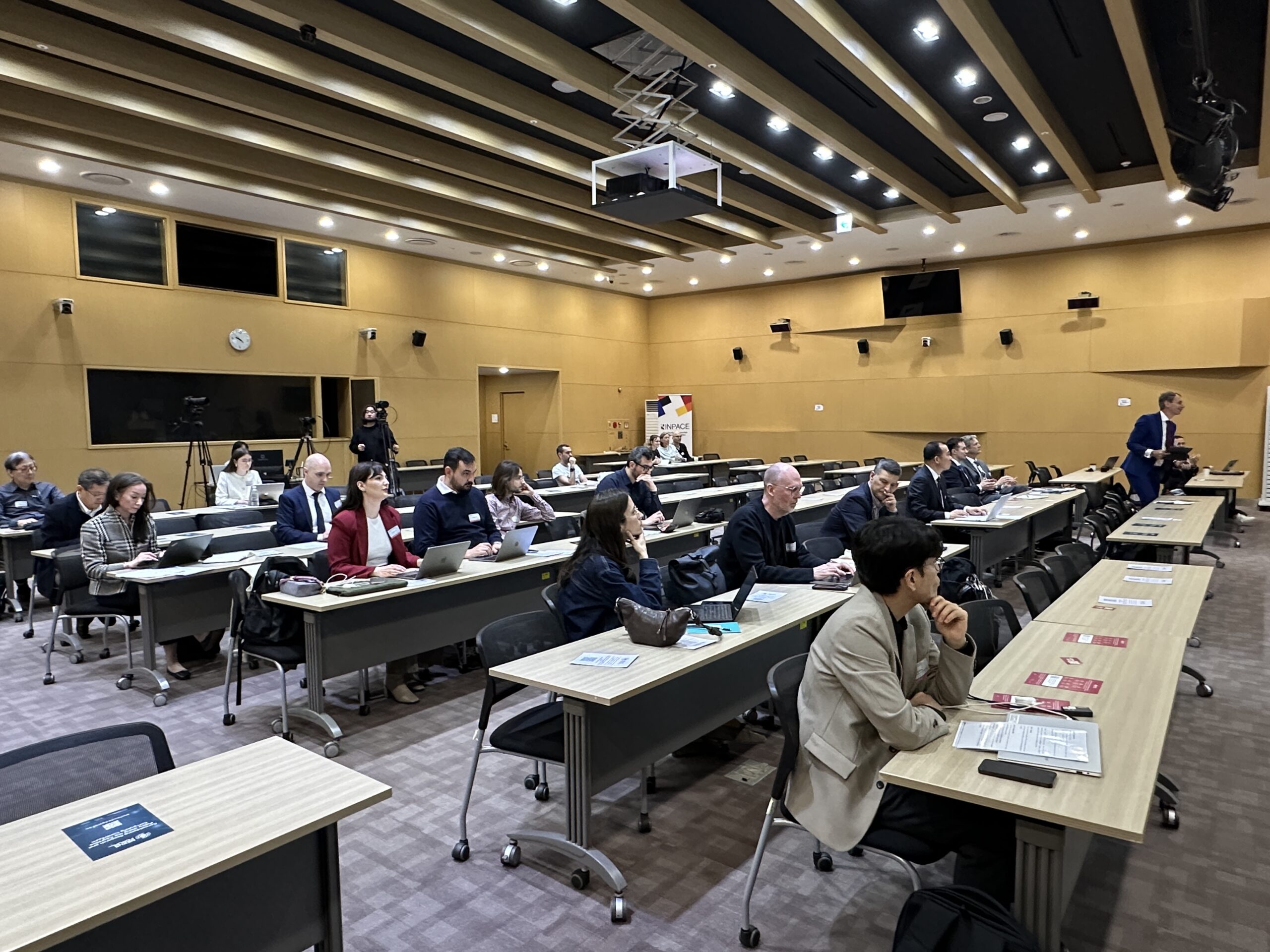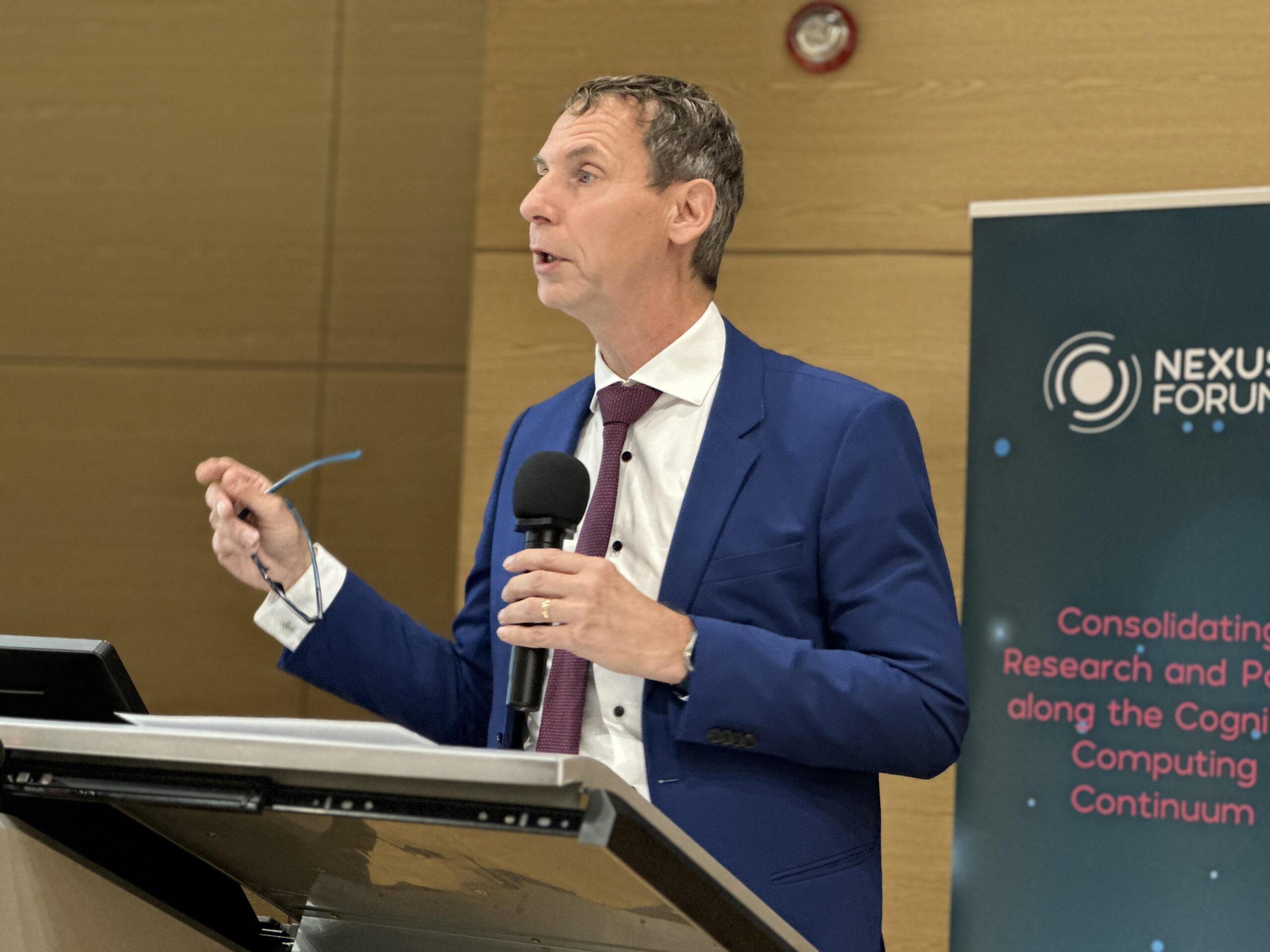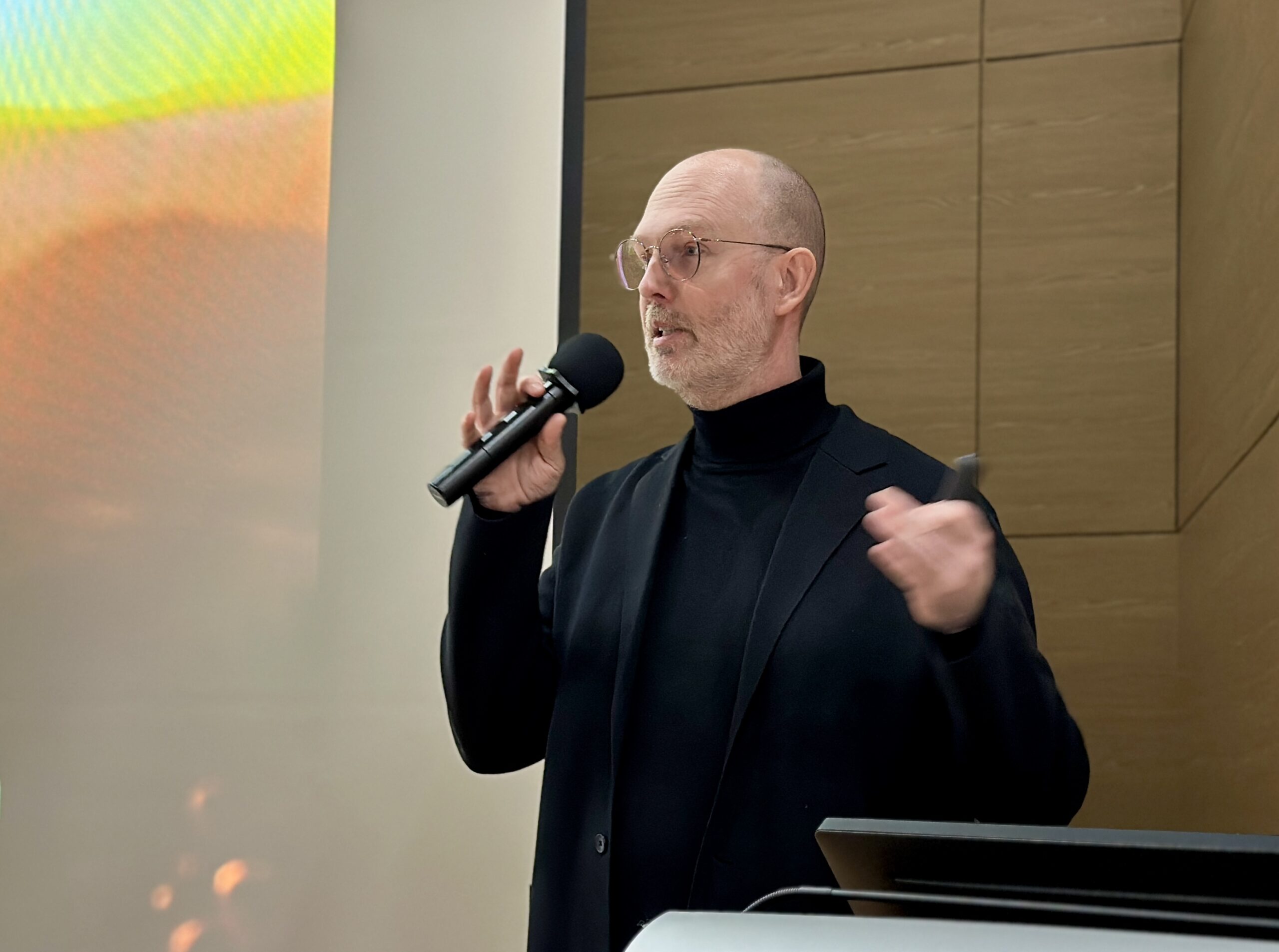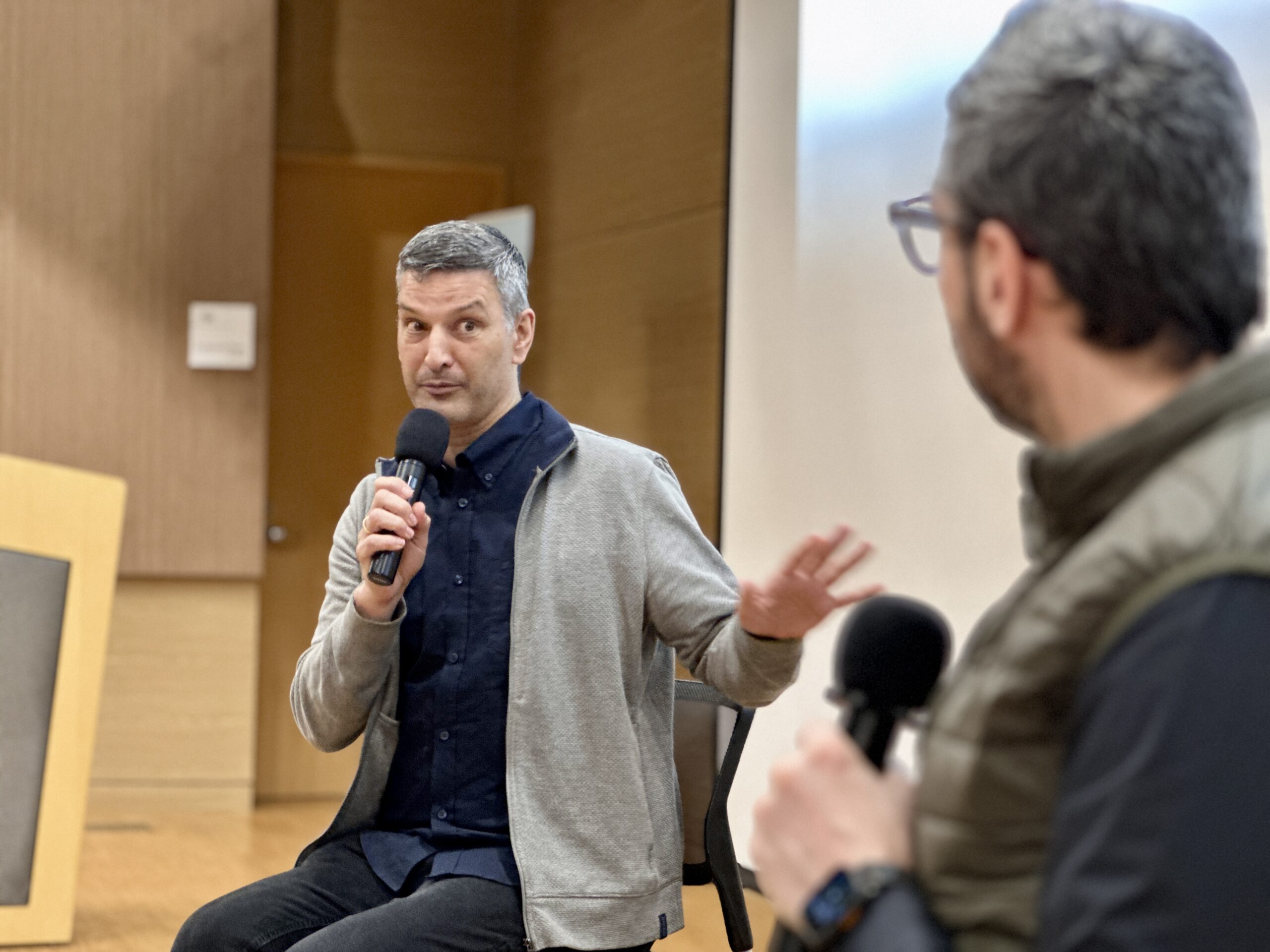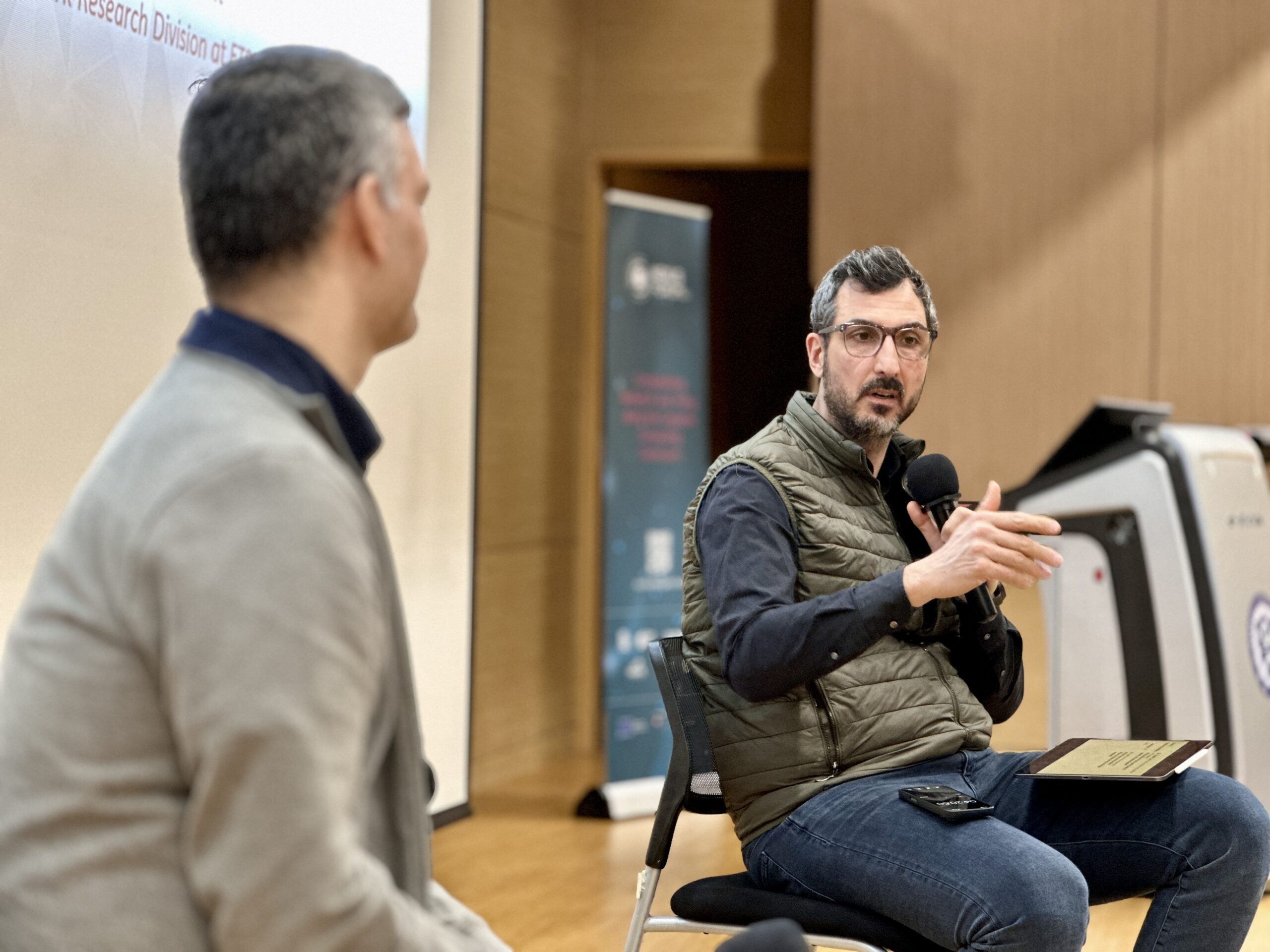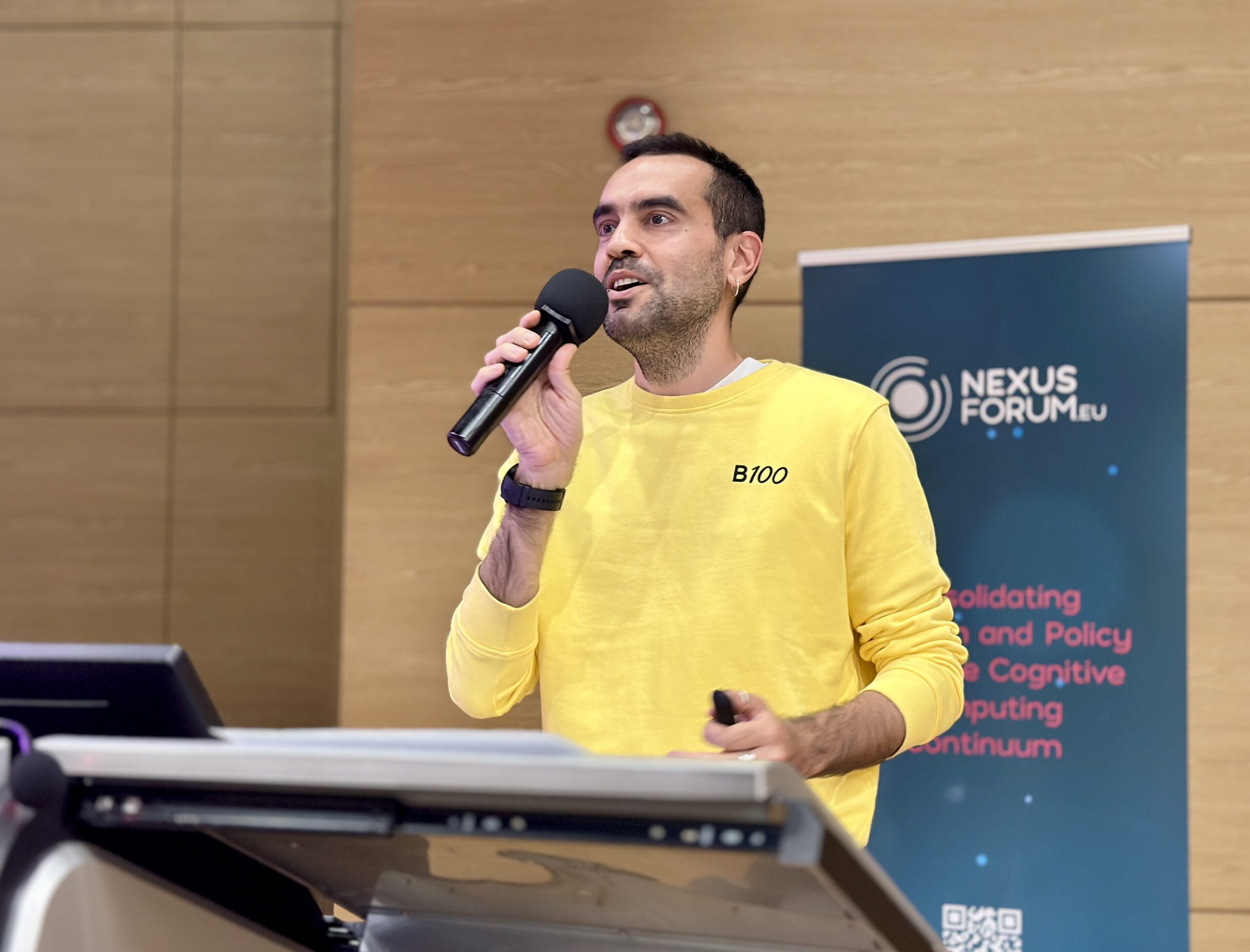
EU and South Korea Strengthen Digital Ties at Successful Convergence Week in Incheon.
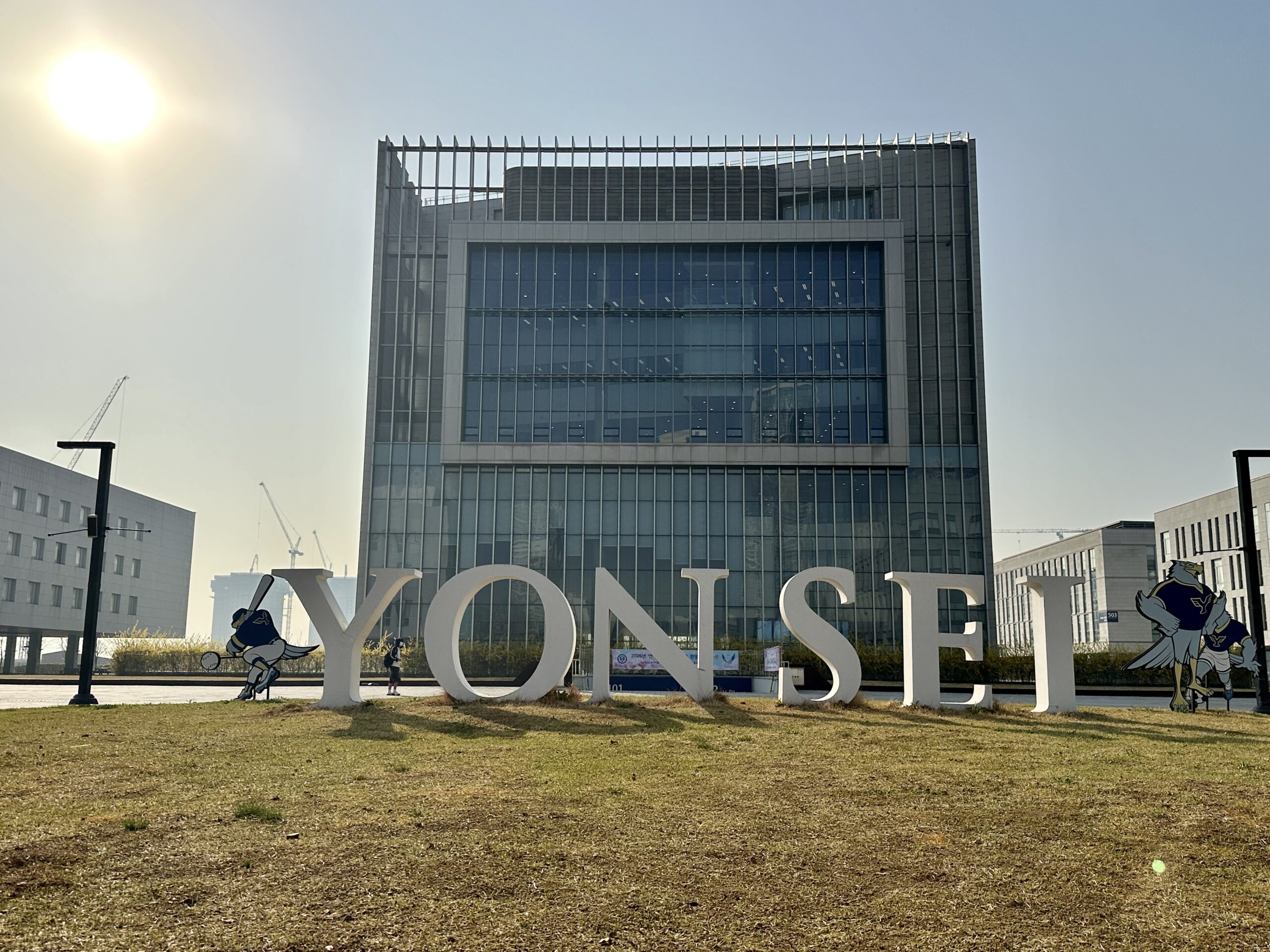
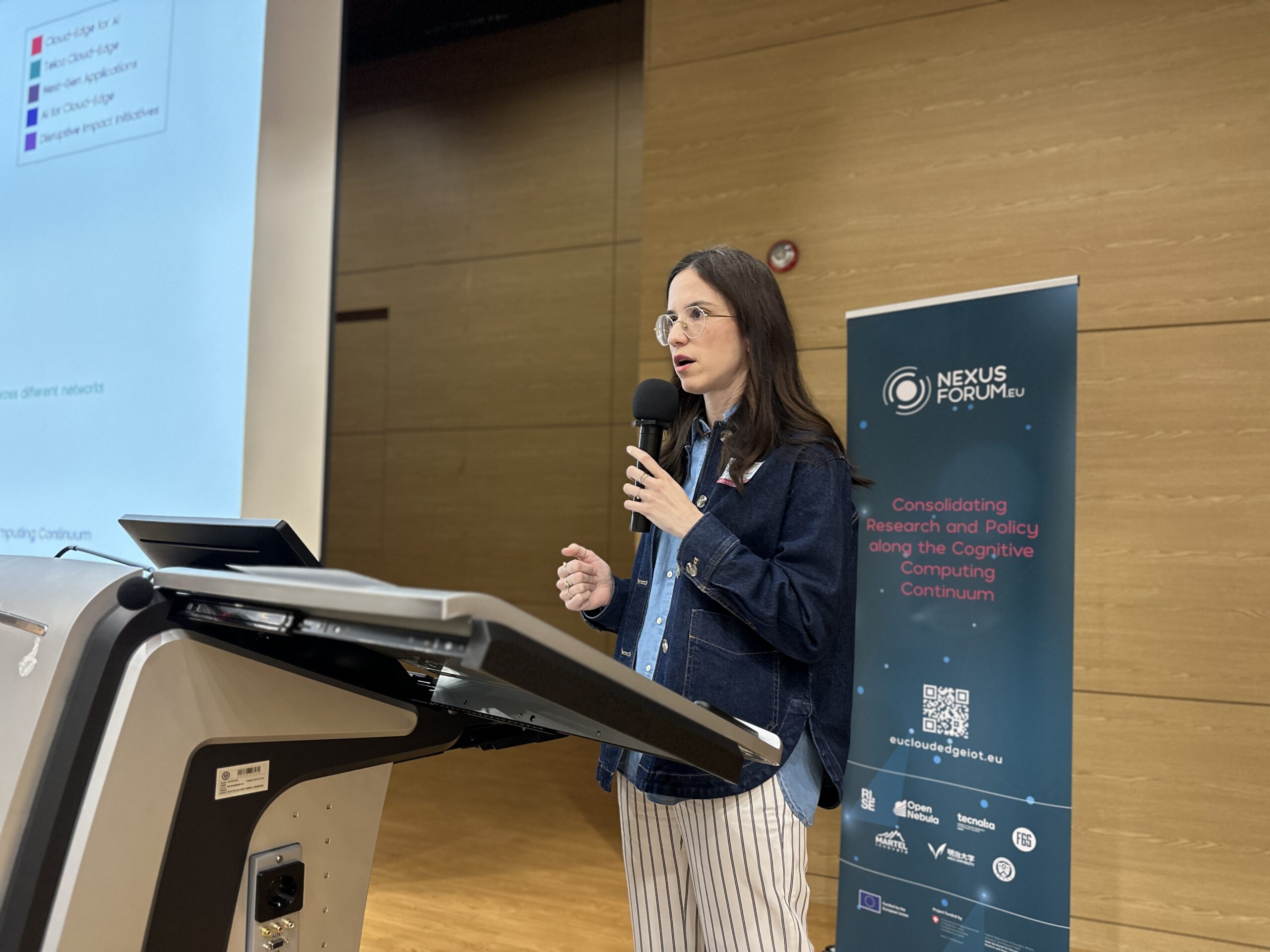
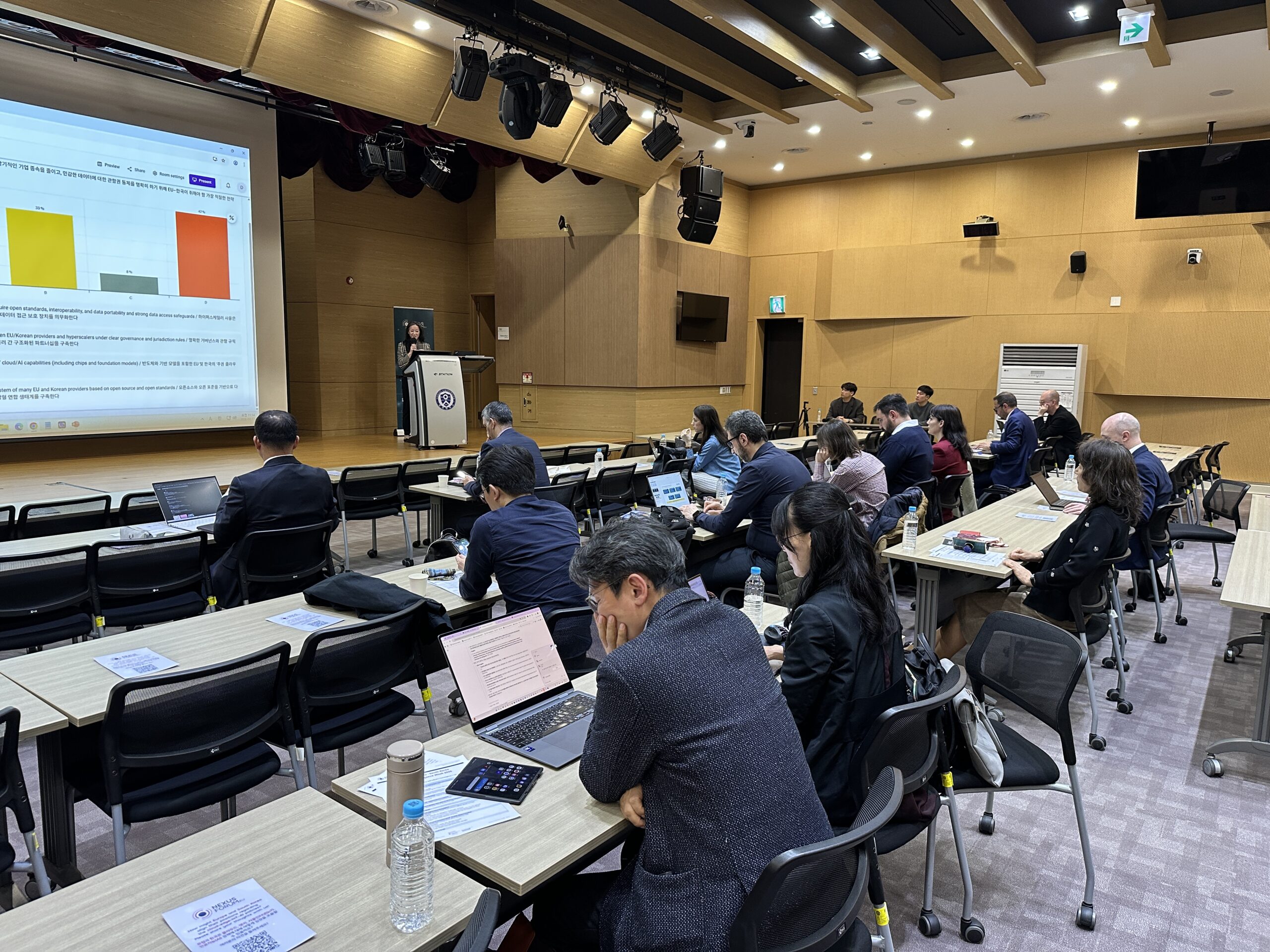
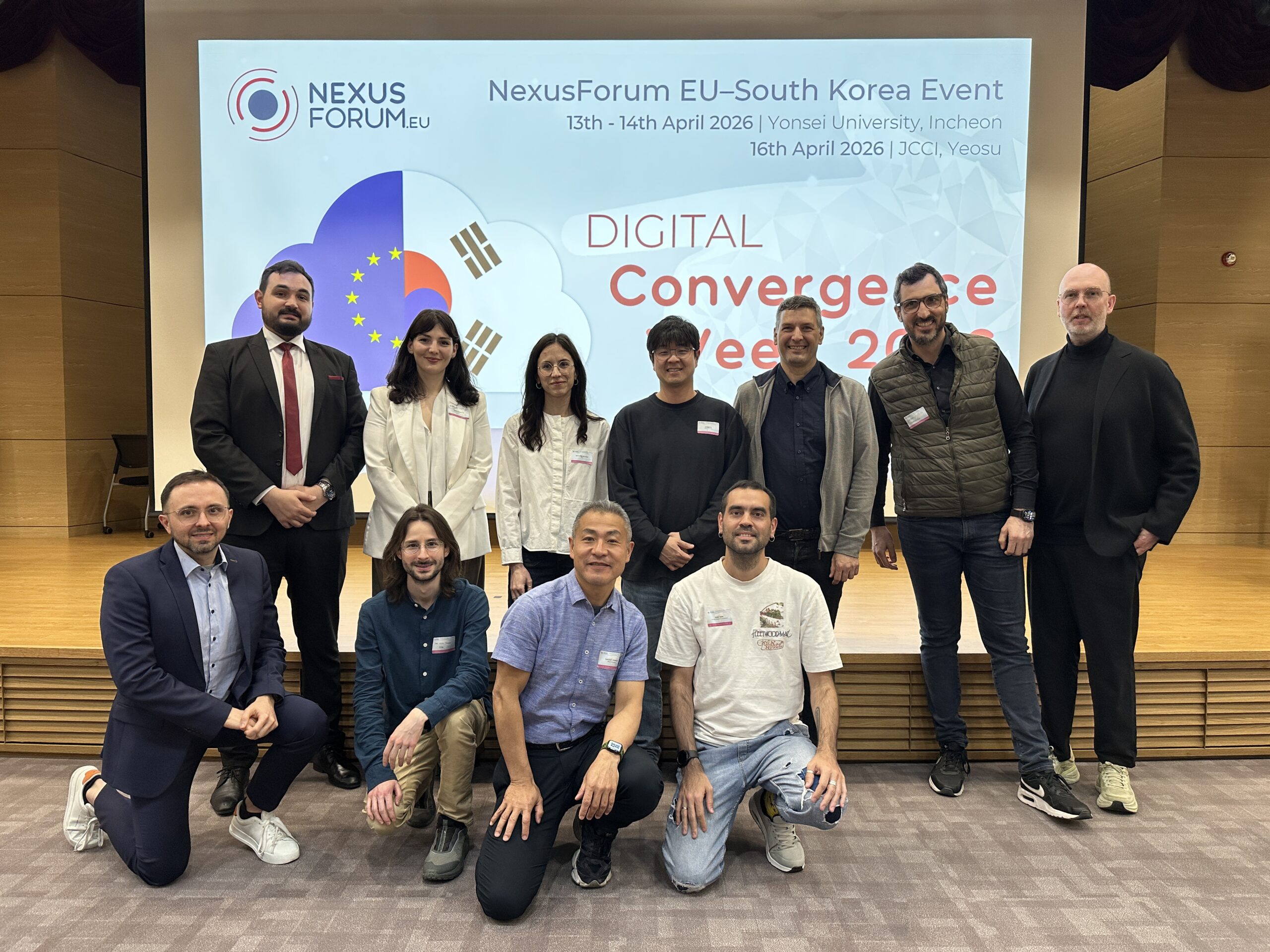
The NexusForum EU-South Korea Digital Convergence Week 2026 took place between 13th to 16th of April 2026, marking a significant milestone in the maturing digital partnership between the two regions. Held at the Yonsei University International Campus, the event drew a strong turnout with 143 total registrations across the two-day intensive program.
The forum shifted the conversation from high-level political statements to concrete operational collaboration. Experts and policymakers from both the EU and South Korea explored deep technical alignment in critical sectors, including 6G, AI, and decentralized data spaces. A recurring theme throughout the sessions was the “research-to-market” imperative, with speakers emphasizing that the next phase of the partnership must focus on real-world deployment and industrial commercialization rather than academic output alone.
Key highlights from the event included:
Regulatory Synergy: A line-by-line comparison between the EU AI Act and Korea’s AI Basic Act revealed high levels of convergence, paving the way for shared standards in high-risk AI.
Data Interoperability: Discussions focused on Korea’s adoption of the Gaia-X framework and its $2 billion investment in data ecosystems, positioning the country as a vital partner for EU data space integration.
Industrial Complementarity: Panels identified 6G, quantum computing (specifically hybrid quantum-HPC systems), and assisted automation in manufacturing as the strongest areas for mutual growth.
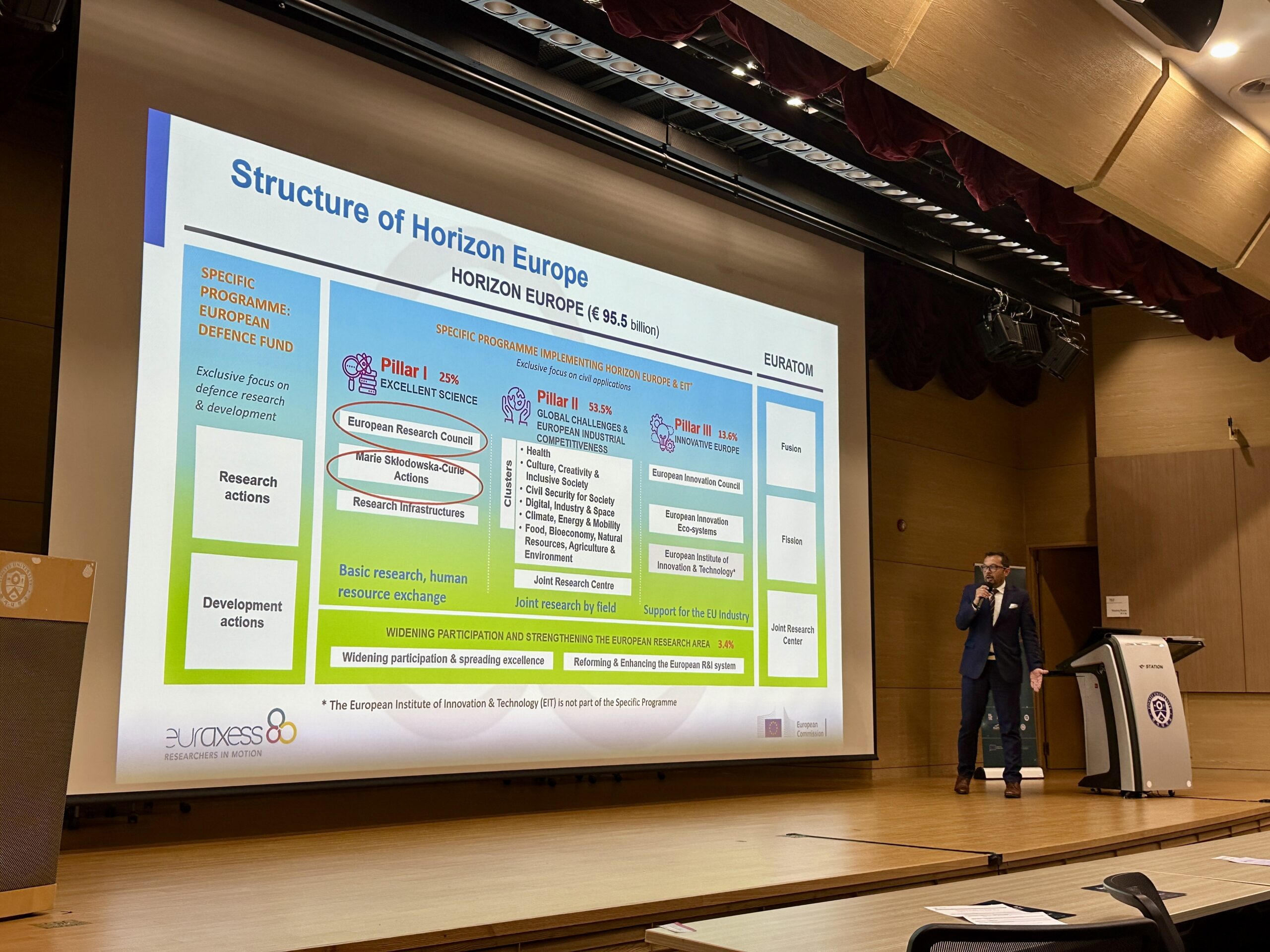
Bridging the Gap: Participants addressed practical barriers to joint research, highlighting the role of exchange programs like Horizon Europe and Euraxess in facilitating international cooperation.
The event closed with a call for early industrial commitment and the development of “human-centric” digital independence. By combining Europe’s leadership in governance and basic research with Korea’s rapid industrialization and technology adoption, the partnership is set to become a global model for sustainable digital innovation.
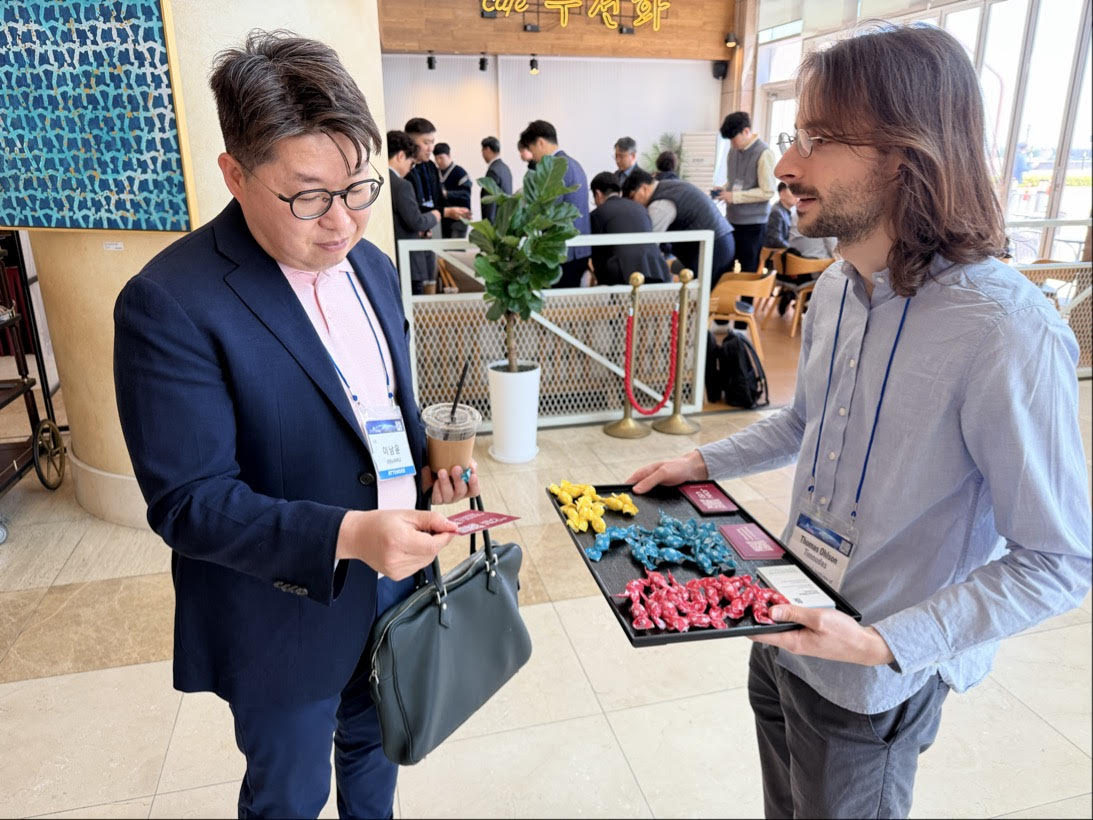
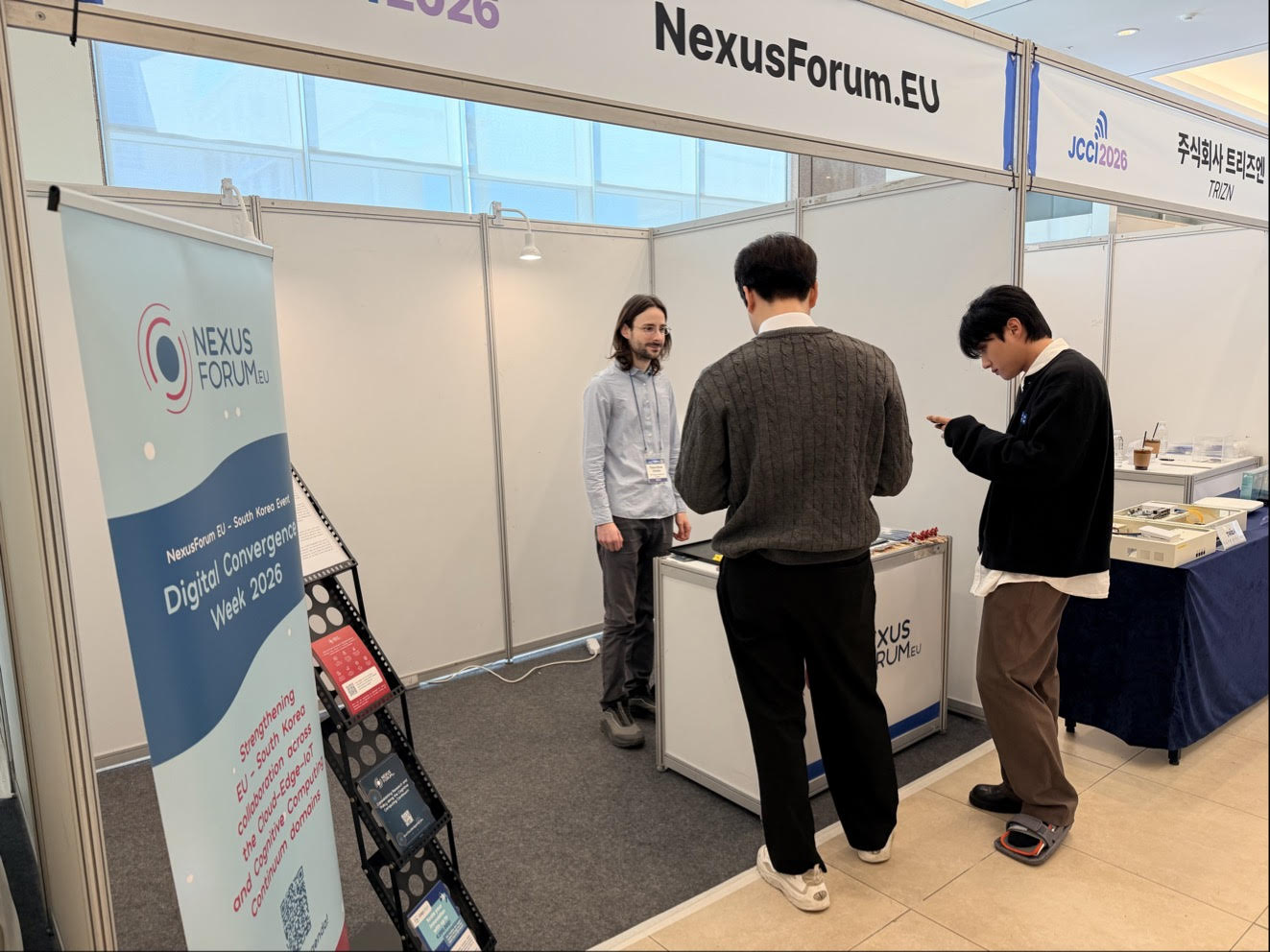
The final leg of the Digital Week comprised of NexusForum.EU’s exhibition at the 36th Joint Conference on Communication and Information on the 16th of April 2026. We showcased project’s outputs, the research and innovation roadmap, the policy recommendations and the cohesive work the project is doing in the European cognitive computing continuum ecosystem. Below is the in-depth analyses of the 2-day interactive events on 13th and 14th of April 2026 at the Yonsei University Campus in Incheon.
Date: April 13, 2026
Location: Yonsei University International Campus, Incheon, South Korea
The first day of the NexusForum.EU Digital Convergence Week brought together high-level policymakers, industry leaders, and researchers to operationalize the EU-South Korea Digital Partnership. Following South Korea’s landmark association to Horizon Europe Pillar II in January 2025, the event focused on moving beyond research publications toward market-shifting collaborations in AI, Cloud-Edge-IoT, and semiconductors. Key outcomes included the formalization of progress toward the world’s first interoperable AI regulatory bridge and the establishment of a joint working group for cross-border trusted data flows.
Welcome & Introduction to EU-ROK Digital Policy and Industry Convergence
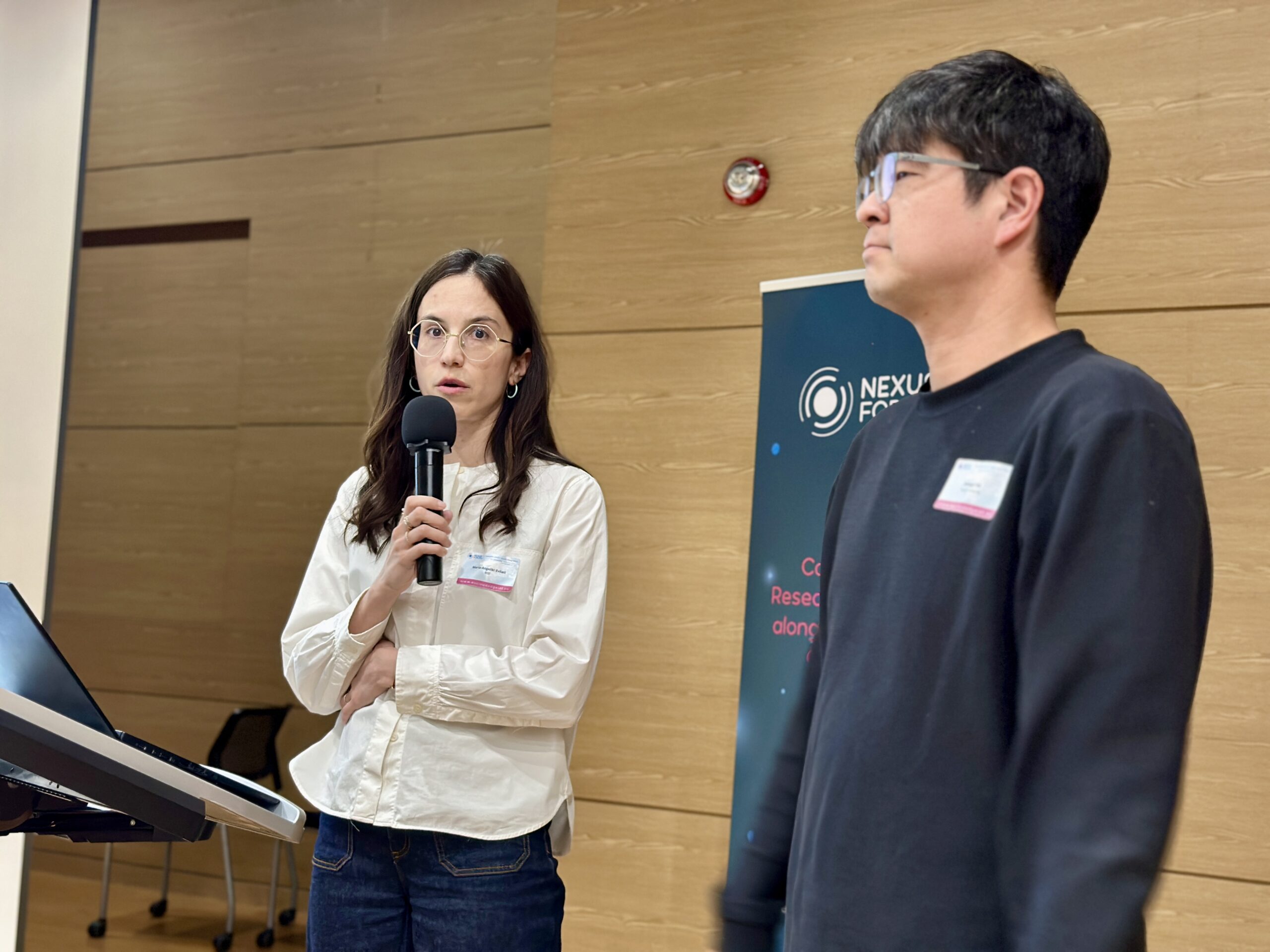
Speakers: Monique Calisti, CEO, Martel Innovate and Maria-Angeliki Evliati, Senior Project Manager, RISE
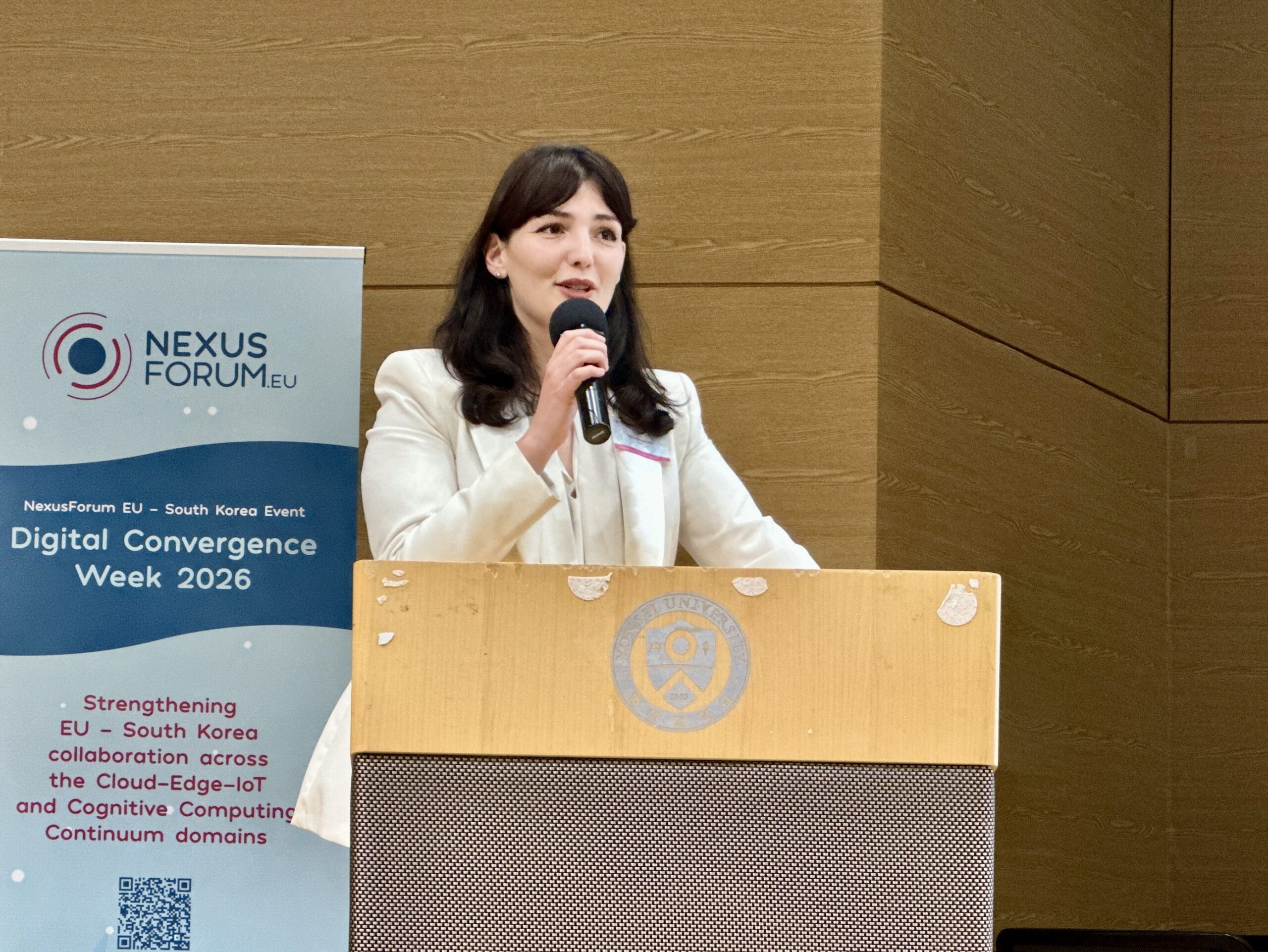
Dr. Monique Calisti opened the event at Yonsei University, welcoming attendees to the first day of the NexusForum EU-South Korea Digital Convergence Week 2026. She provided a recap of the EU–South Korea Digital Partnership, signed in February 2022 across 11 priority areas (semiconductors, 5G/6G, quantum & HPC, AI, cybersecurity, data and platforms, digital skills, digital trade & economy, standardisation, R&I via Horizon Europe, and digital sovereignty & shared values) and is supported by a formal governance structure including an annual Digital Partnership Council. The partnership has matured through three key structural pillars: South Korea’s association with Horizon Europe Pillar II, mutual data adequacy, and a Digital Trade Agreement. Current efforts are focused on creating the world’s first interoperable AI regulatory bridge through mutual recognition of conformity assessments under the EU AI Act.
Complementing these diplomatic efforts, Maria-Angeliki Evliati, spoke about how the NexusForum.EU project works to enhance European digital sovereignty and reduce dependency on global hyperscalers by developing resilient cloud-edge-IoT infrastructure and fostering international cooperation with partners like South Korea. These initiatives collectively feed into the upcoming 4th Digital Partnership Council scheduled for late 2026 in Brussels.
Keynote 1 – EU Delegation Perspective
Speaker: Walter Van Hattum, Head of Trade Section, EU Delegation to Republic of Korea
Walter Van Hattum emphasized that while the EU–Korea economic relationship is highly substantive, boasting over €200 billion in two-way trade, it must now evolve from abstract policy dialogue into concrete, market-shifting collaborations. Facing a shifting geopolitical landscape, the EU is prioritizing technological security and cloud sovereignty to reduce over-dependence on third-party providers. As Europe aims for global leadership in AI and 6G, it seeks to manage the inherent tension between expanding computing capacity and meeting ambitious green energy targets. Ultimately, the partnership views Korea as a trusted, like-minded ally whose strengths in practical commercialization can help both regions achieve digital sovereignty and economic growth.
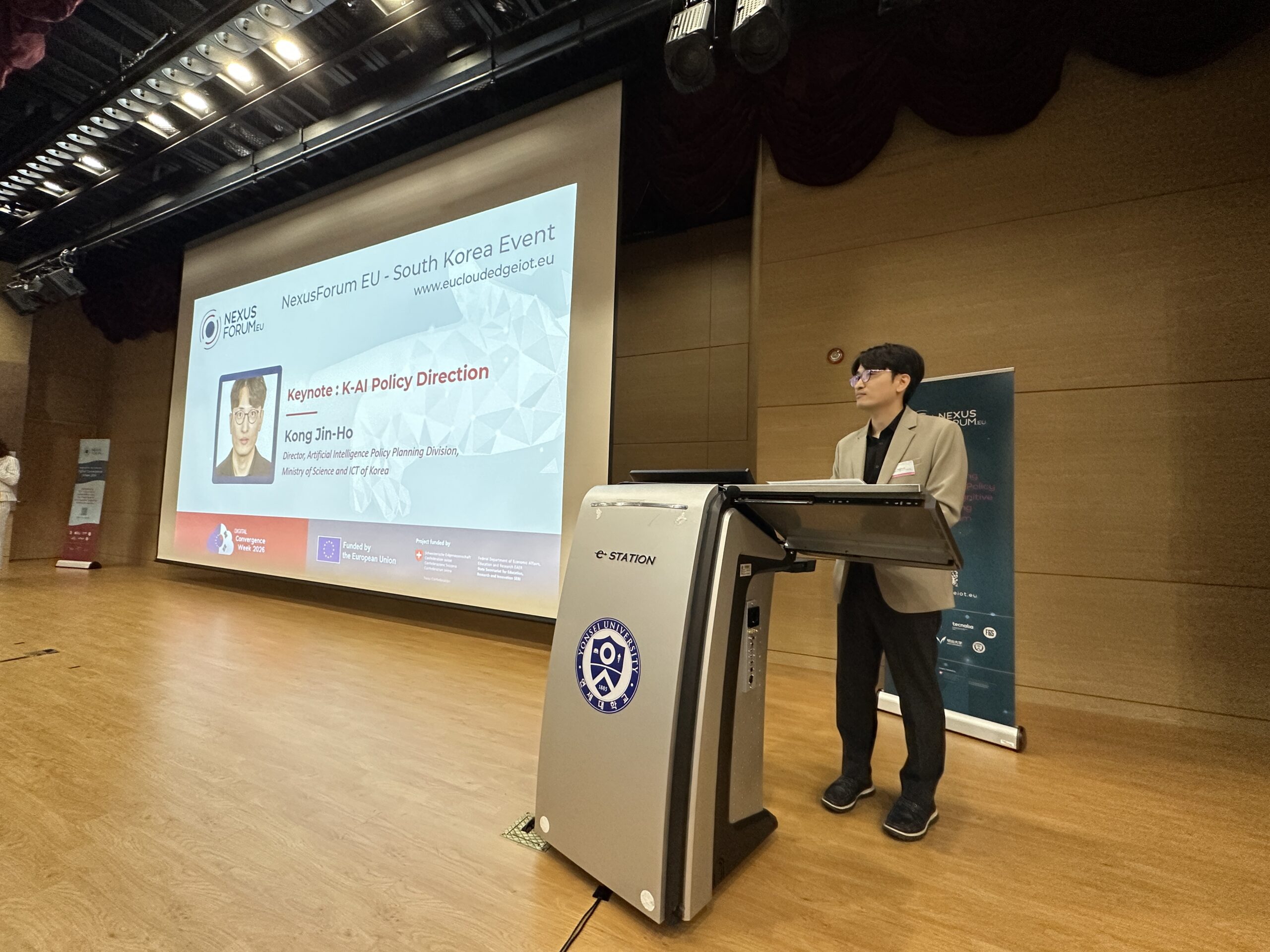
Keynote 2 – K-AI Policy Direction
Speaker: Kong Jin-Ho, Director, AI Policy Planning Division, Ministry of Science and ICT of Korea
Director Kong presented South Korea’s ambitious national strategy to transition from an ICT powerhouse into a top-three global AI leader by treating sovereign AI capability as a pillar of national security and resilience. This whole-of-government approach is built upon three pillars: strengthening the AI ecosystem through the procurement of 260,000 GPUs by 2028 and a $100M investment in global talent, driving national AI transformation (AX) via flagship industrial projects and $2.3B in regional AI clusters, and establishing Korea as a strategic global hub for partnership across the Asia-Pacific and the EU. Leveraging a unique full-stack ecosystem that integrates world-class manufacturing, such as HBM chips from Samsung and SK Hynix, with high-impact research and sovereign foundation models, Korea emphasizes a human-centered vision where technology serves to benefit everyone. This vision is best illustrated by the country’s commitment to responsible AI, ensuring that technological advancement remains subservient to human needs and values.
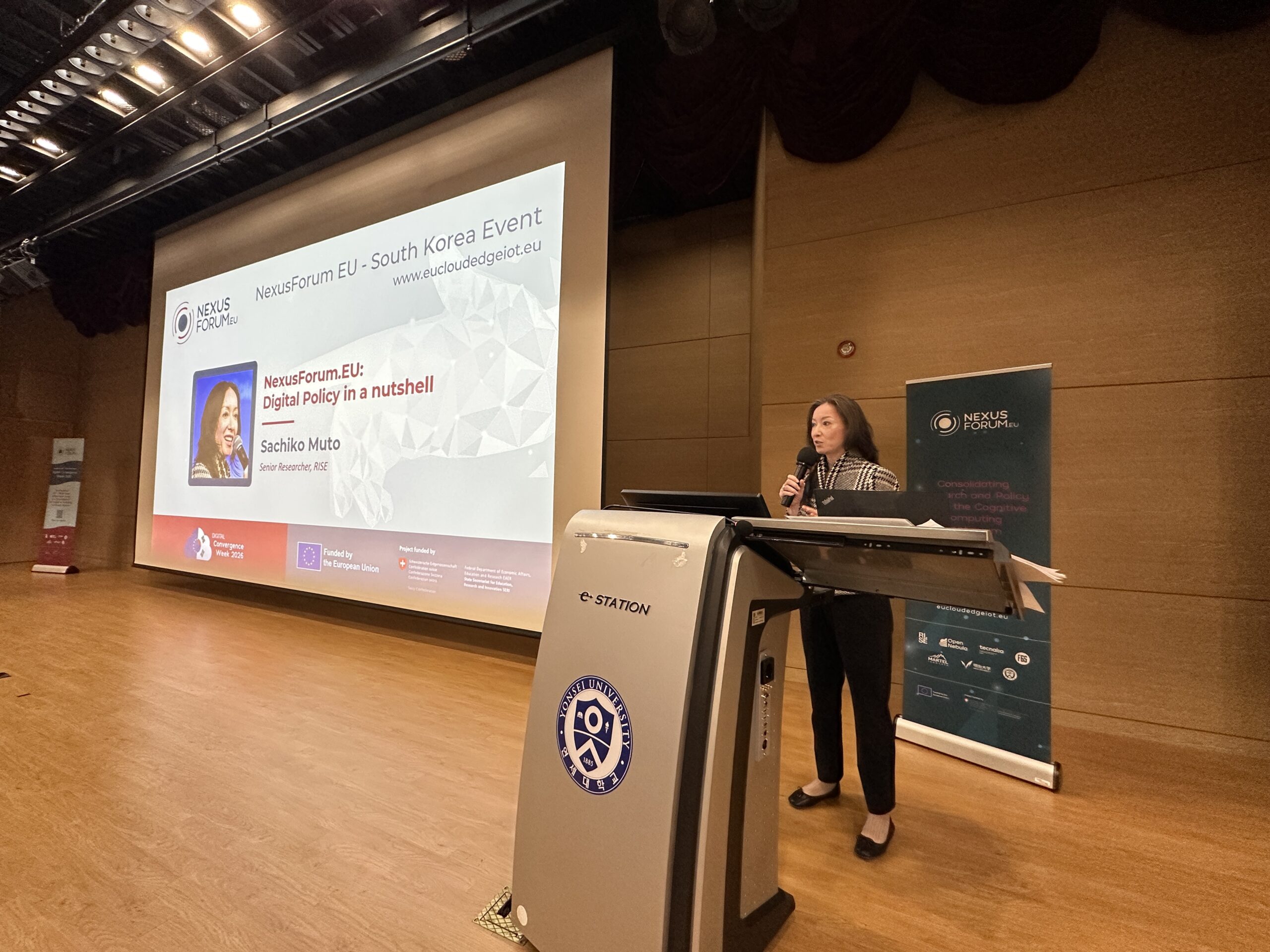
Presentation: NexusForum.EU Digital Policy & Sovereignty in Motion
Speaker: Sachiko Muto, Senior Researcher, RISE
Sachiko Muto detailed a significant shift in EU digital policy from a regulation-heavy focus to an interventionist industrial strategy, catalyzed by the 2024 Draghi Report’s warning of an “existential challenge”. Central to this evolution is the May 2026 Tech Sovereignty Package, which addresses cloud dependency through the Cloud and AI Development Act (CAIDA), updates the Chips Act, promotes open-source ecosystems, and aligns digitalization with energy goals. A key component of this strategy is the Cloud Sovereignty Framework, which defines six dimensions of control over digital assets to ensure strategic and operational independence. While the “made in Europe” approach initially faced international pushback, a compromise now allows for European preference to be extended to allied partners like South Korea, provided there is reciprocity. Muto advocated for open source as a cornerstone of this sovereignty and challenged the partnership to move beyond research toward tangible market impacts, such as Korean investment in European chip production or cloud procurement. Ultimately, Korea’s strengths in semiconductors, 5G/6G, and rapid industrial scaling make it a vital strategic partner in building a resilient, interoperable digital ecosystem.
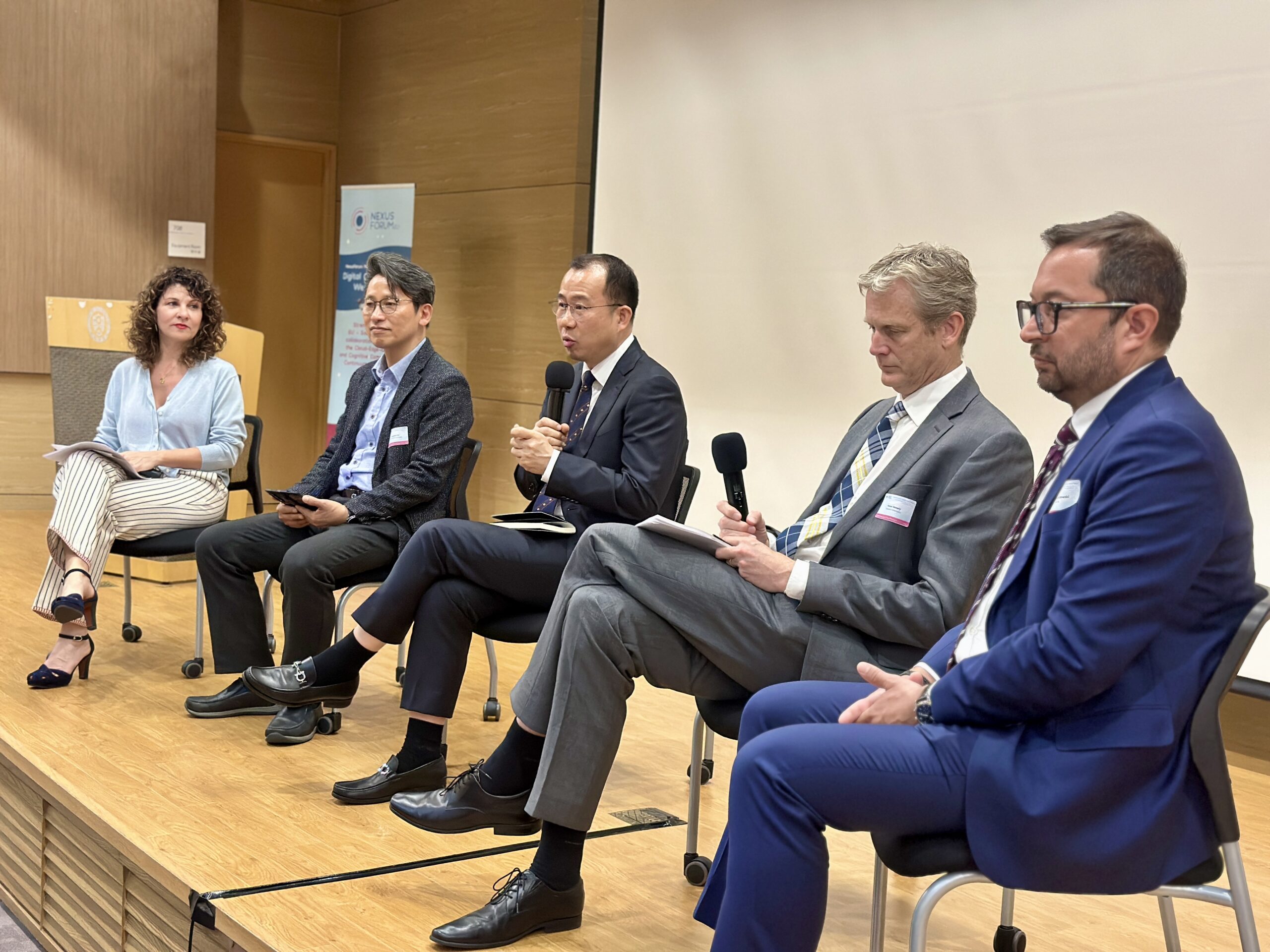
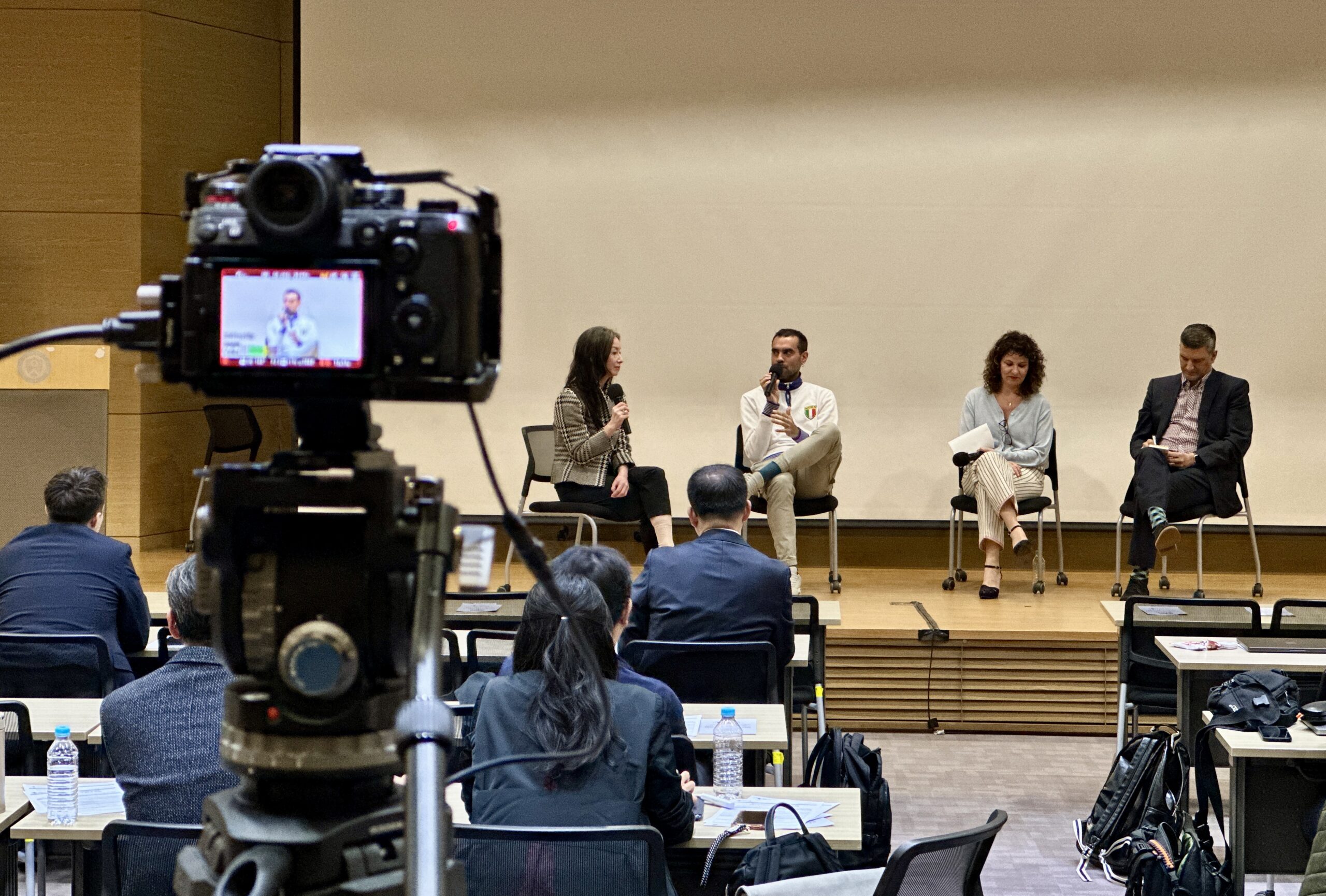
Panel 1: EU-ROK Digital Policy Convergence
Moderator: Monique Calisti, CEO, Martel Innovate
Panelists: Rainer Wessely, EU Delegation; Ko Yoon-Seok, VP, NIA; Tomasz Wierzbowski, Euraxess; Daeyeon Cho, Professor, Seoul National University
The panel highlighted a maturing EU-Korea digital partnership, identifying 6G, AI, and data spaces as the strongest areas for strategic alignment. The EU–Korea digital partnership is rapidly maturing, shifting from high-level strategic alignment to operational integration across 6G, AI, and data spaces. While semiconductor cooperation remains complex due to intense market competition, the two regions are achieving significant regulatory and technical synergy. Looking toward 2030, the collaboration aims to blend Korea’s top-down R&D approach with Europe’s integrated innovation model to drive commercialization.
The core progress of this partnership is defined by several key milestones:
Data Interoperability: Korea’s $2 billion investment in its data ecosystem and its adoption of the Gaia-X framework position it as a primary partner for EU data space integration.
Regulatory Alignment: A line-by-line comparison reveals that the EU AI Act and Korea’s AI Basic Act are highly converged, sharing similar standards for high-risk AI and conformity assessments.
Innovation Test Bed: Korea’s rapid technology adoption makes it an ideal environment for testing and scaling European innovations.
Operational Integration: While strategic goals are aligned, the focus is now on overcoming practical barriers—such as partner finding and proposal writing—to deepen Korean participation in programs like Horizon Europe.
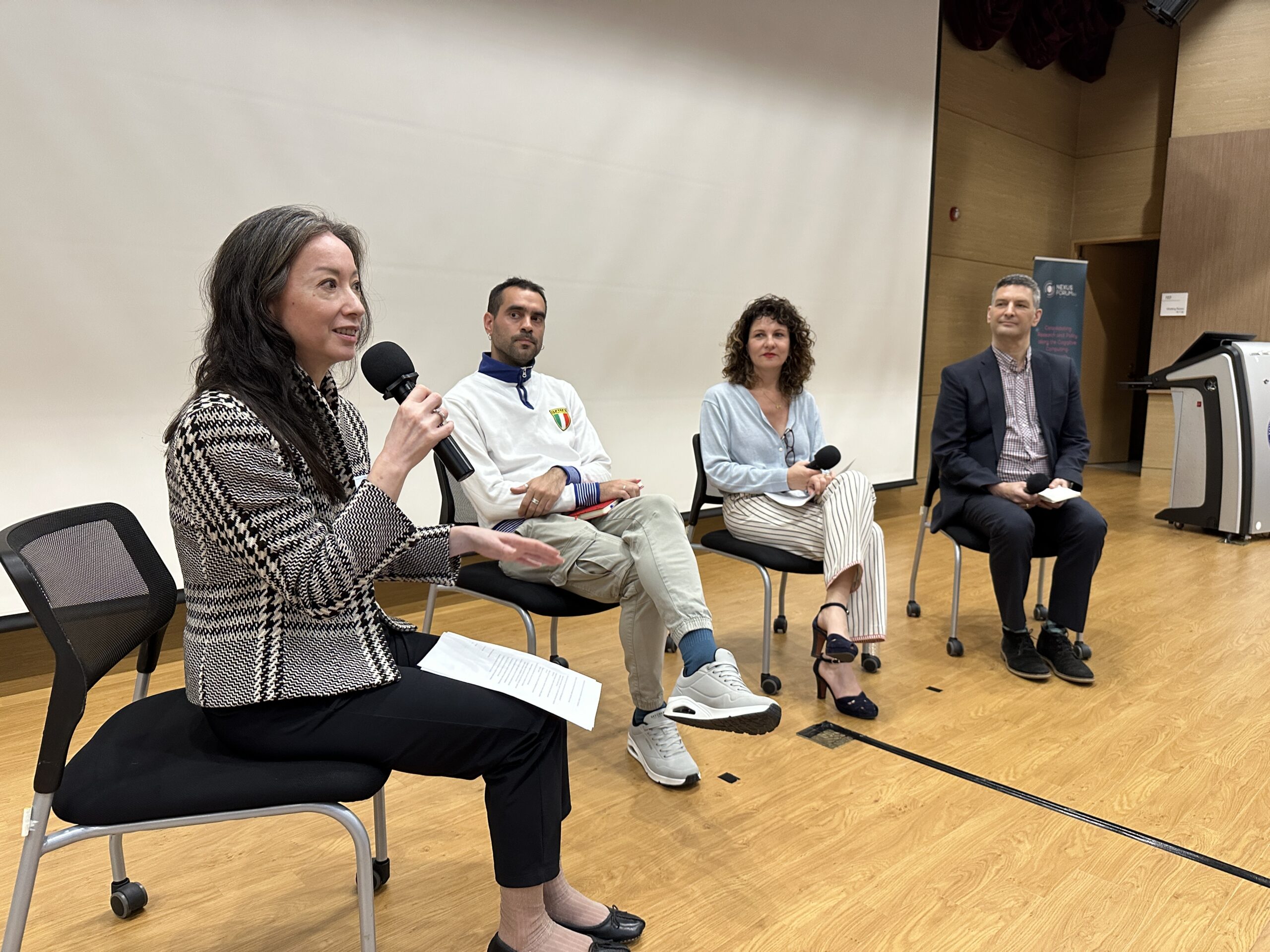
Industrial Ecosystem Panel – EU-ROK Digital Innovation
Moderator: Sachiko Muto, Senior Researcher, RISE
Panelists: Monique Calisti, CEO, Martel Innovate; Ian Marsh, Senior Researcher, RISE; Eneko Osaba, Principal Researcher, Tecnalia
The EU–Korea industrial ecosystem panel highlighted deep technical complementarity across three primary domains: 6G networks, quantum computing, and automated manufacturing. By shifting focus from theoretical research to market impact, the partnership aims to leverage shared infrastructure and specialized talent exchanges. The overarching goal is to transition from scientific publication to real-world commercialization by ensuring industry commitment is integrated into the project design from the outset.
The core strategies for this industrial cooperation include:
Advanced Networking: Expanding beyond basic research into non-terrestrial networks and AI-driven management, building on foundations like the 6G ARROW project.
Quantum Integration: Prioritizing joint infrastructure access and the development of standards for hybrid quantum-HPC systems rather than viewing quantum as a replacement for classical computing.
Practical Automation: Focusing on assisted automation in automotive and manufacturing sectors, utilizing the diverse operating environments of both regions for mutual learning.
Market-Driven Success: Moving beyond academic collaboration by requiring early industrial commitment, real-world pilots, and clearly defined pathways to commercialization.
Complementary Strengths: Ensuring the partnership avoids direct competition by focusing on the distinct, specialized capabilities each region brings to the table.
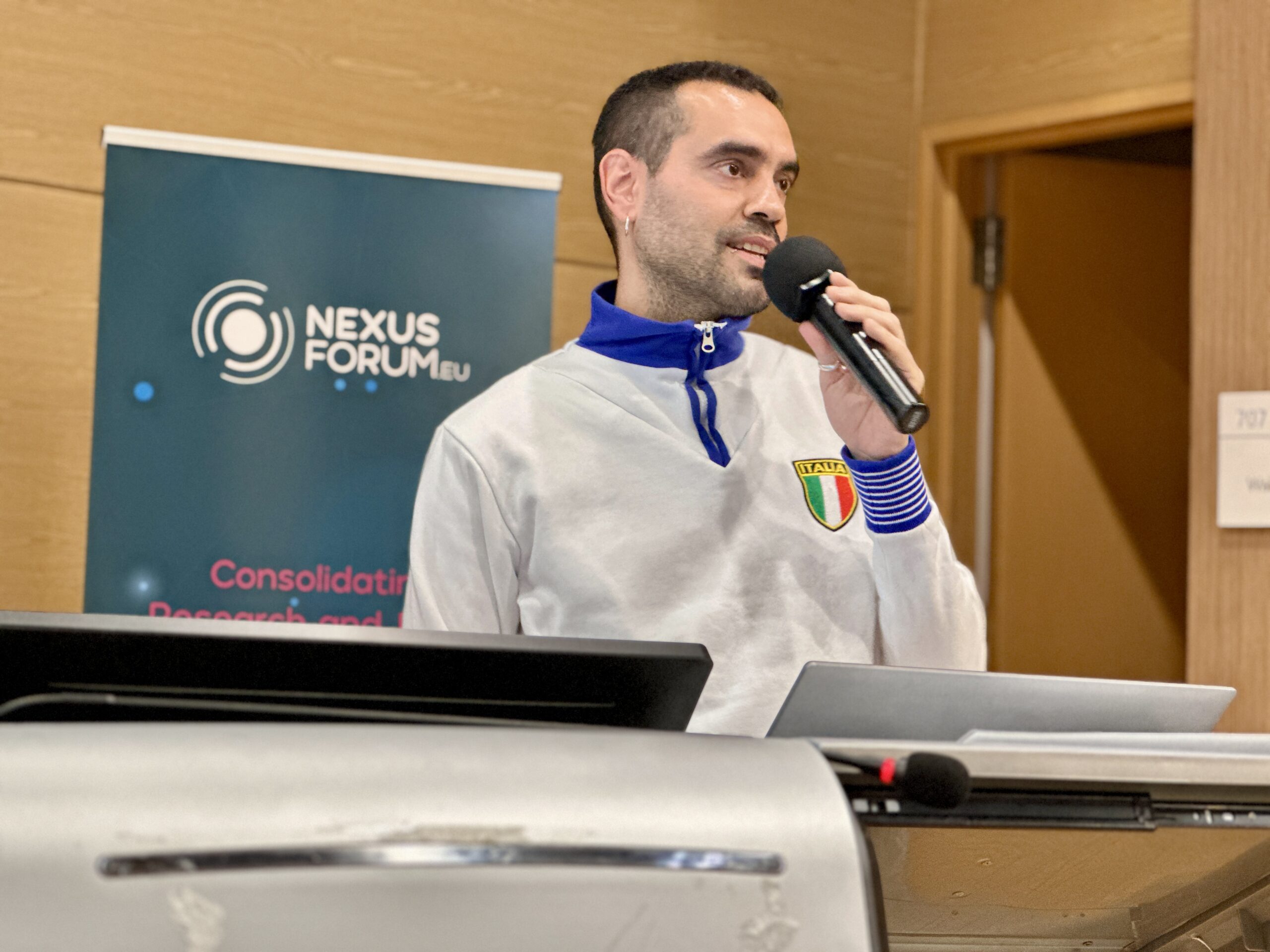
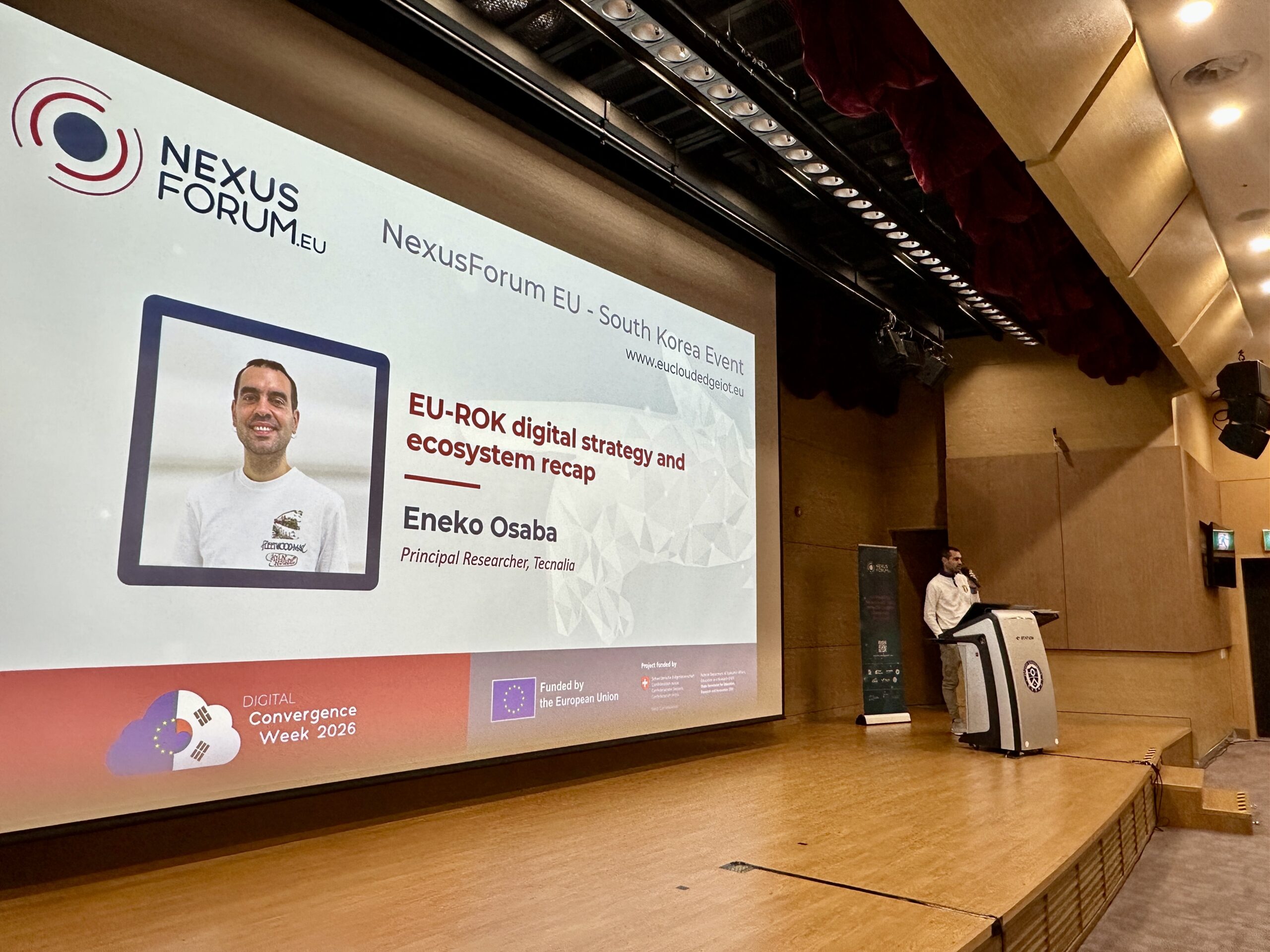
Presentation: EU-ROK Digital Strategy and Ecosystem Recap
Speaker: Eneko Osaba, Principal Researcher, Tecnalia
Eneko Osaba’s recap emphasizes that the EU–Korea partnership has matured from high-level political intentions into a functional, operational collaboration focused on tangible innovation and market impact. By blending Europe’s expertise in basic research, standards, and governance with Korea’s strengths in rapid industrialization and large-scale adoption, the partnership aims to move beyond scientific publications toward real-world deployment in sectors like 6G, quantum computing, and automated manufacturing. This transition relies heavily on industry-led pilots, talent exchange, and a shift toward decentralized, high-quality data spaces.
The strategic direction of this partnership is anchored by the following key takeaways:
Operational Maturity: The relationship has evolved from mere dialogue into concrete joint research projects and operational synergy.
Commercialization Focus: Success is now measured by market impact and real-world deployment rather than academic output alone.
Synergistic Strengths: A powerful combination is formed by merging Europe’s foundational research and standards with Korea’s industrial speed and adoption capabilities.
Quality over Volume: Data innovation is currently bottlenecked by the difficulty of obtaining trusted, clean data rather than sheer quantity.
Human Capital: Sustained impact is dependent on people-to-people mobility and exchange programs like Horizon Europe and Erasmus.
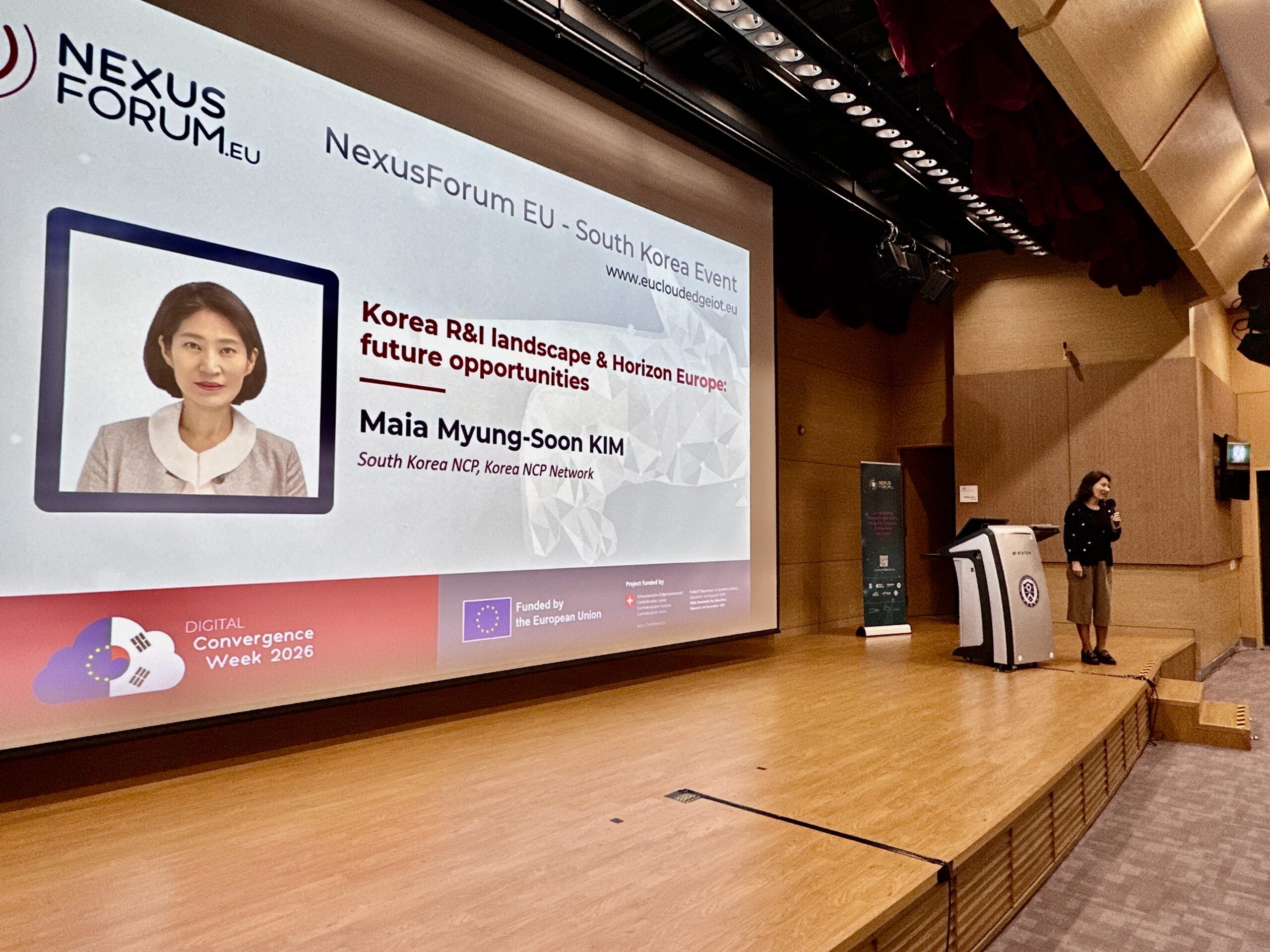
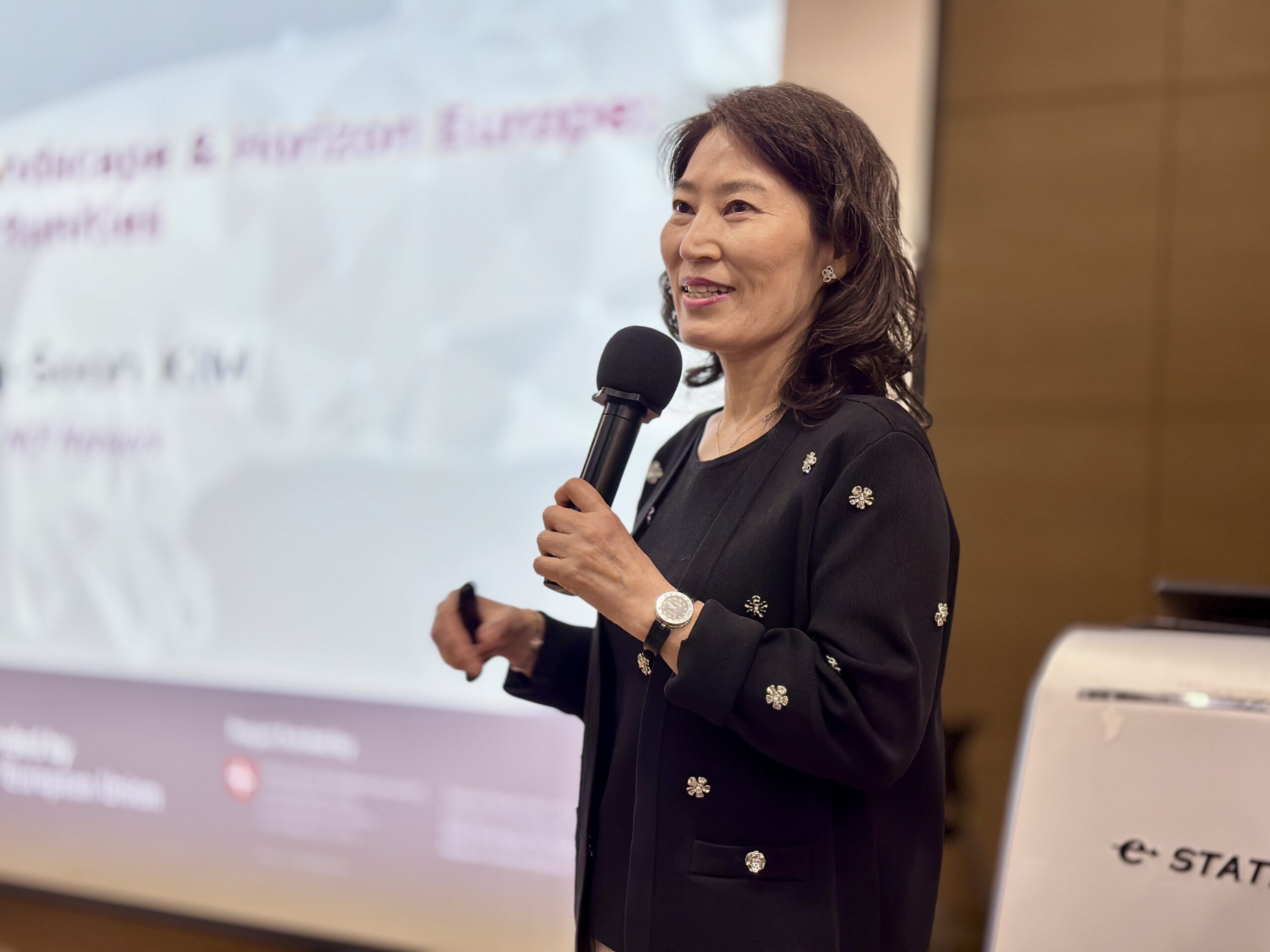
Presentation: Korea R&I Landscape & Horizon Europe Opportunities
Speaker: Maia Myung-Soon Kim, South Korea NCP, Korea NCP Network
Dr. Kim detailed South Korea’s transition into a global R&I powerhouse, noting that the country now maintains one of the world’s highest GERD ratios at approximately 5%. While the private sector drives 70% of R&D spending, the system is rooted in a government-led strategy that established a robust network of specialized research institutes, particularly in Daejeon. Korea’s participation in EU framework programs has grown exponentially from a single project in the 1990s to approximately 100 grants in Horizon Europe, with government institutes like ETRI and major universities leading the way, although large industrial conglomerates remain largely absent due to administrative and IPR concerns. Following its association as the 21st country to Horizon Europe in 2025, Korea is pivoting away from a historical US-centric research orientation to embrace transformative opportunities in Europe. This new chapter is supported by significant upcoming Cluster 4 funding calls, including over €100 million combined for frontier AI, AI innovation boosters, and energy-efficient data centers, signaling a future of deep, high-impact collaboration.
Presentation: Euraxess Services
Speaker: Tomasz Wierzbowski, Euraxess representative to Korea
Tomasz Wierzbowski presented Euraxess as a vital pan-European initiative designed to connect Korean researchers with the diverse opportunities within the EU’s research landscape. He outlined the distinction between Horizon Europe’s top-down Pillar 2 projects and bottom-up Pillar 1 programs, such as the European Research Council (ERC) and Marie Skłodowska-Curie Actions, both of which are fully open to Korean participation. A significant cultural shift was highlighted: European evaluations prioritize excellence and uniqueness over traditional publication counts, marking a departure from standard Korean metrics. To overcome the primary barrier of partner-finding, Wierzbowski pointed to practical tools like the EU Funding & Tenders portal, CORDIS, and the dedicated Euraxess Korea portal, which serve as essential bridges for navigating complex EU processes and terminology. Ultimately, Euraxess serves as a first contact point to foster “win-win” cooperation between these two like-minded, values-sharing partners.
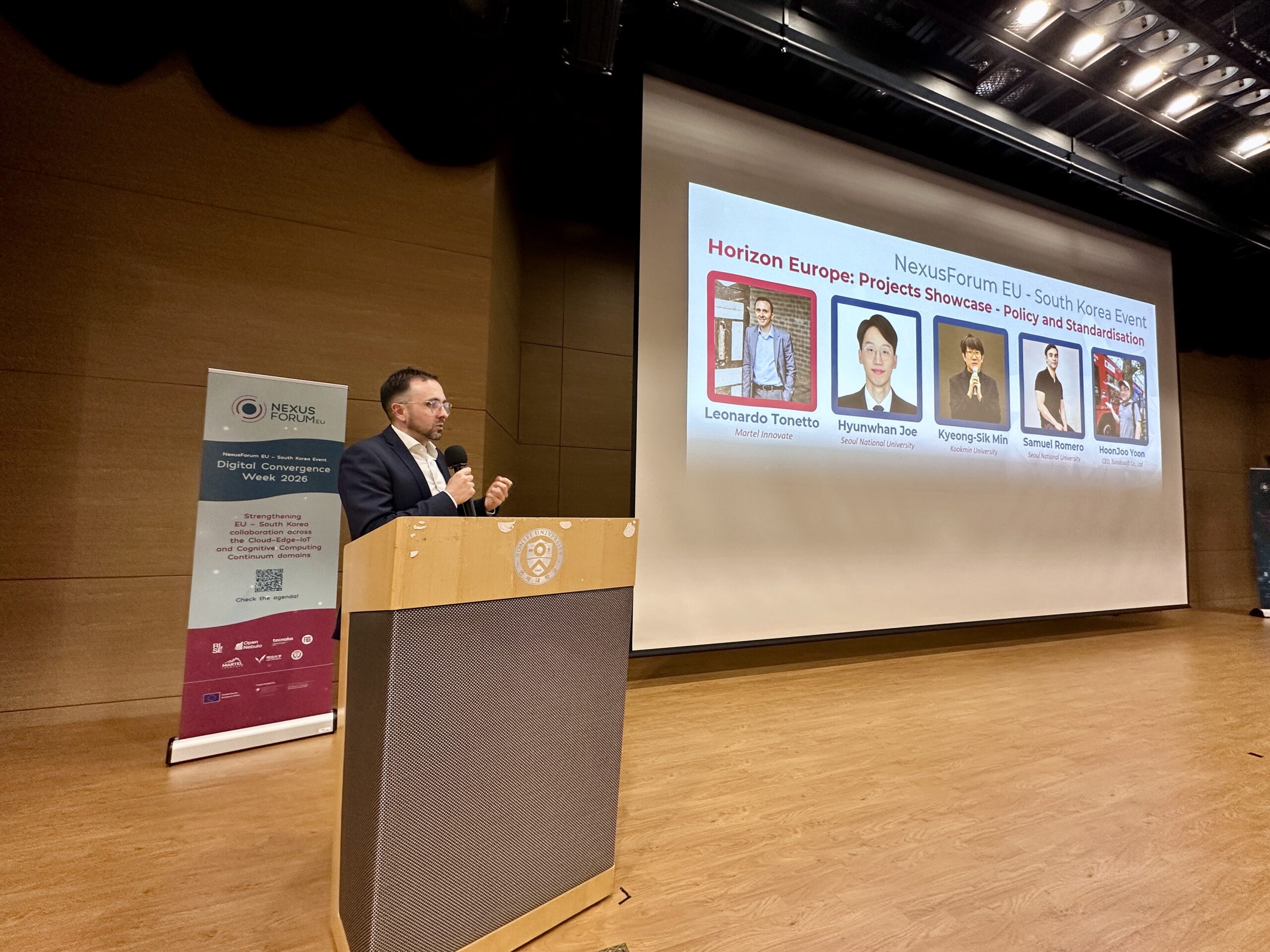
Horizon Europe Projects Showcase – Policy and Standardization
Moderator: Leonardo Tonetto, Technical Project Manager, Martel Innovate
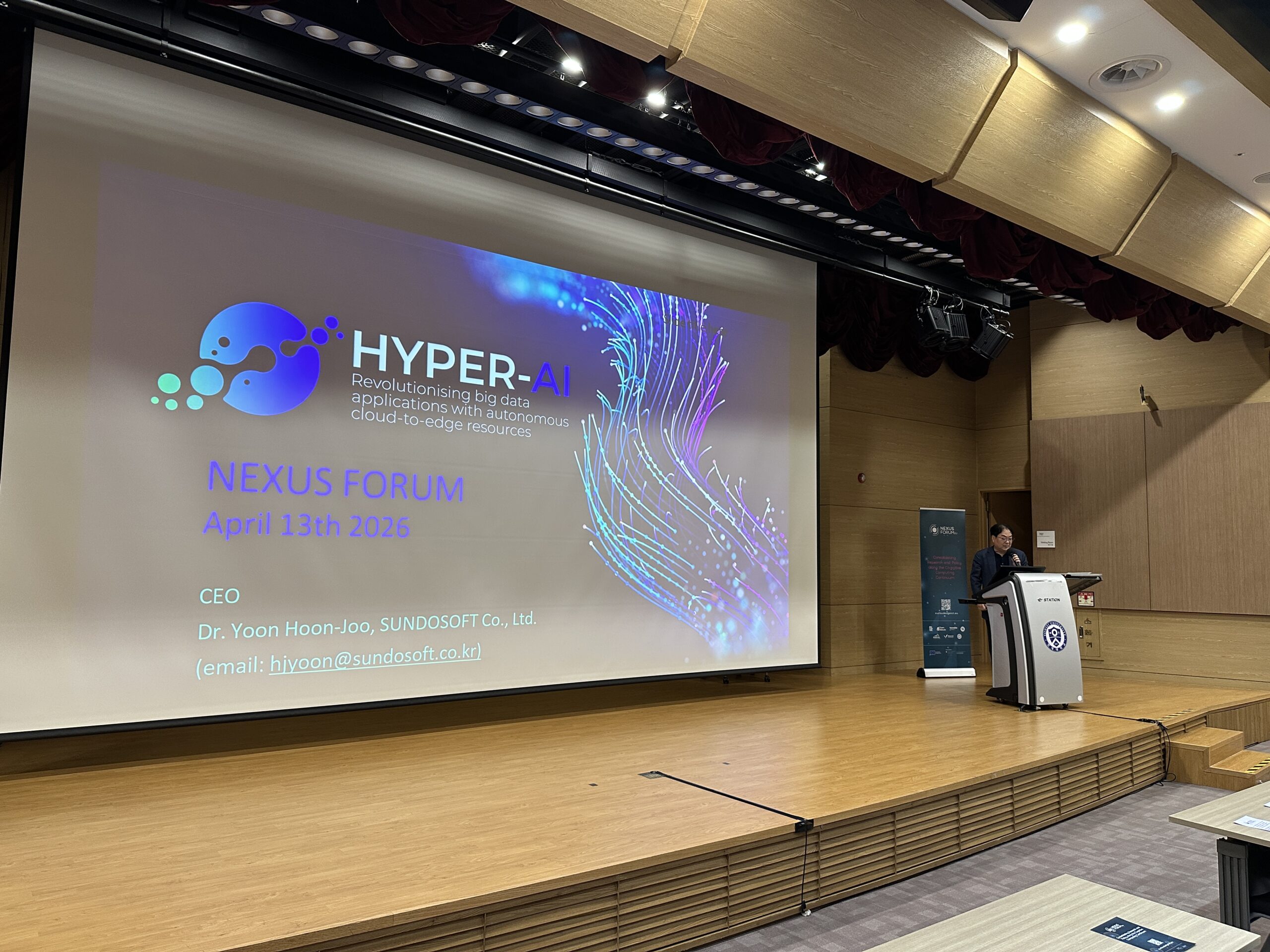
HyperAI – Hyper-Distributed AI Platform for Network Resources Automation
Speaker: Dr. Yoon Hoon-Joo, CEO, Sundosoft Co., Ltd | Grant Agreement: 101135982
HyperAI is a 36-month Horizon Europe research project that revolutionizes distributed computing by using autonomous swarms and smart virtual nodes to integrate IoT, Edge, and Cloud environments. Operating across three tiers—enabling technologies, self-optimization, and self-protection—the framework coordinates global and local managers to ensure dynamic connectivity and real-time data processing across domains such as industry, energy, and healthcare. A notable implementation is led by Korea’s Sundosoft, which applies HyperAI to track African Swine Fever by performing genomic analysis on wild boar DNA and mapping high-risk areas via GIS spatial analysis. The project has received a satisfactory mid-term evaluation from the European Commission and has fostered significant international collaboration, including new MoUs and academic exchanges between Korea and European partners.
Swarmchestrate – Decentralized Cloud-to-Edge Orchestration
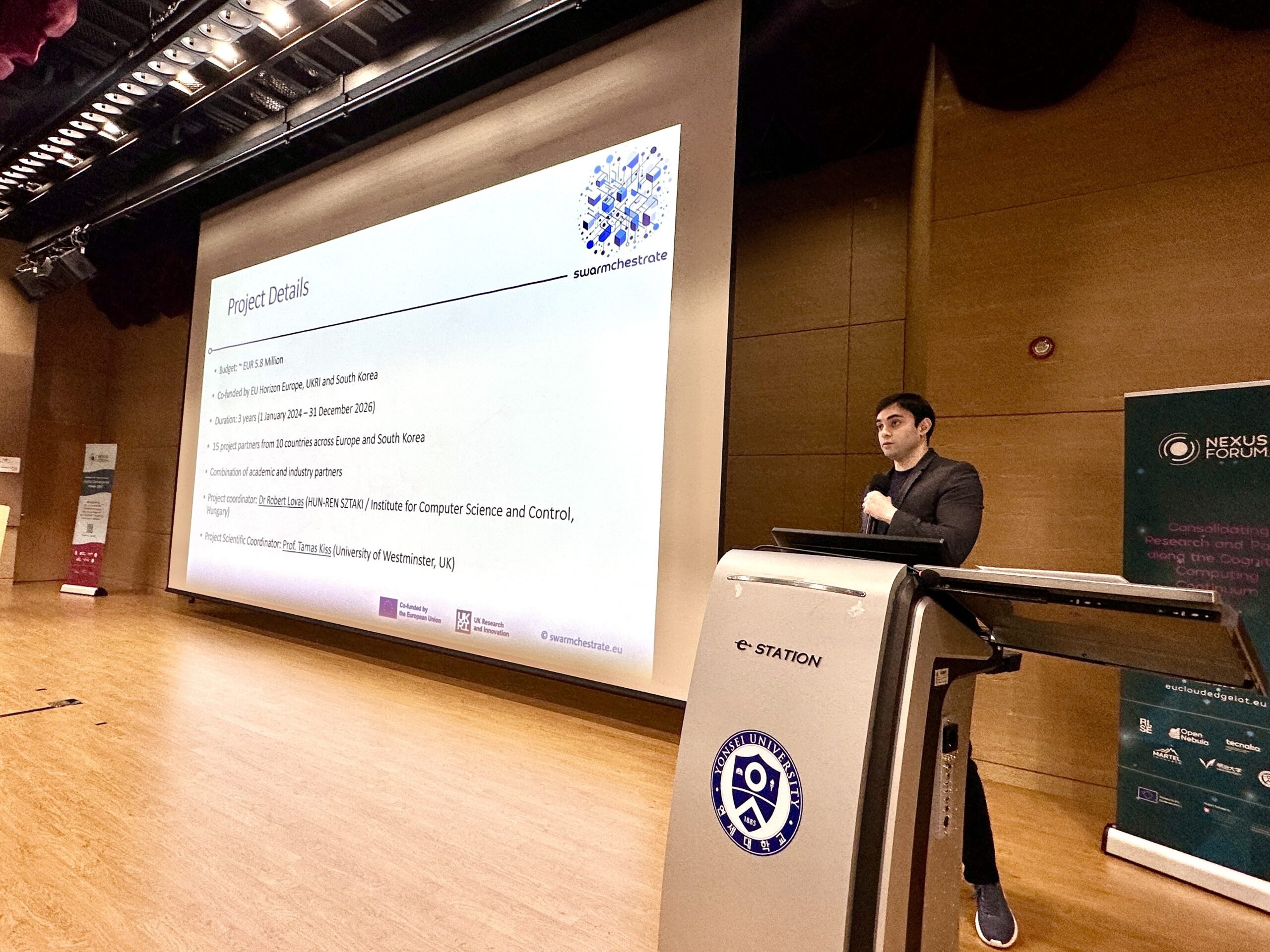
Speaker: Samuel Romero Fortino, Researcher, Seoul National University | Grant Agreement: 101135012
Swarmchestrate is a three-year, €5.8 million Horizon Europe project co-funded by the EU, UK, and South Korea, aimed at transitioning from centralized cloud systems to decentralized, swarm-based orchestration for edge environments. Coordinated by Dr. Robert Lovas, the project utilizes AI-driven matchmaking for energy efficiency, blockchain-based trust management, and digital twin simulations to support real-world use cases like flood prevention and urban noise classification. South Korea’s Seoul National University (SNU) contributes a machine-learning framework for optimizing energy during virtual machine migrations, balancing environmental factors, consumption costs, and performance requirements. Despite logistical challenges like time zone differences, the partnership has benefited significantly from Korea’s post-2025 association status, which has streamlined administrative processes and reduced dual-reporting burdens.
INTEND – Intent-Based Data Operations in the Computing Continuum
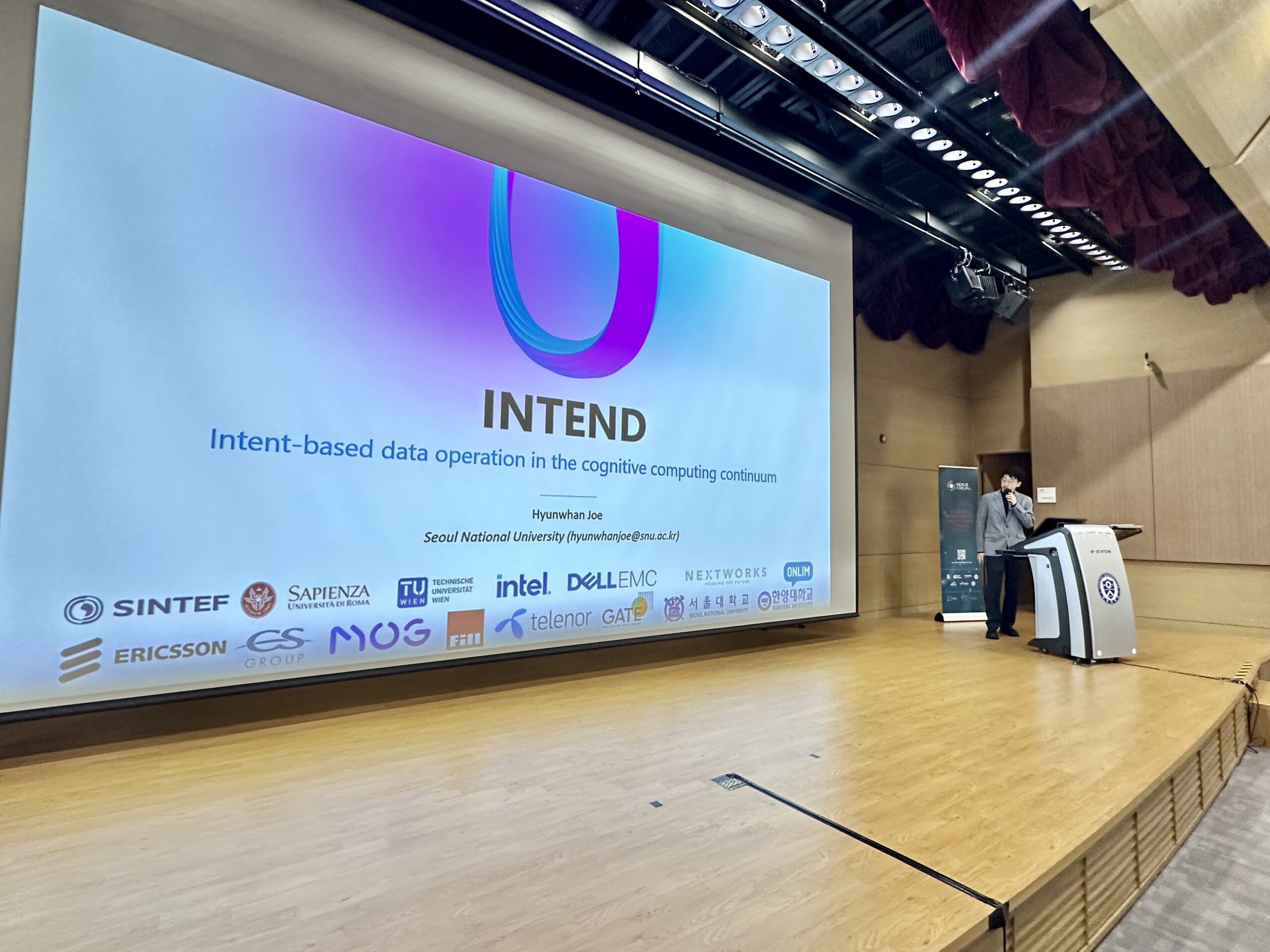
Speaker: Hyunwhan Joe, Seoul National University | Grant Agreement: 101135576
Coordinated by SINTEF, the INTEND project simplifies the management of complex computing continuums by using GenAI-powered agents to translate high-level stakeholder “intents” into technical operations. The framework utilizes a suite of tools for stakeholder interaction, resource management, and decentralized coordination across domains like 5G and green video streaming. A key contribution from Seoul National University (SNU) is the InSwitch tool, which acts as a ReAct agent to convert natural language requests into concrete API calls by querying knowledge graphs and vector stores. By utilizing “agent skills” to dynamically load domain knowledge, the project ensures efficient decision-making and has fostered broader collaborations, such as an AI research platform for rare diseases.
VitFOX – Vision Transformers with Ferroelectric Oxides
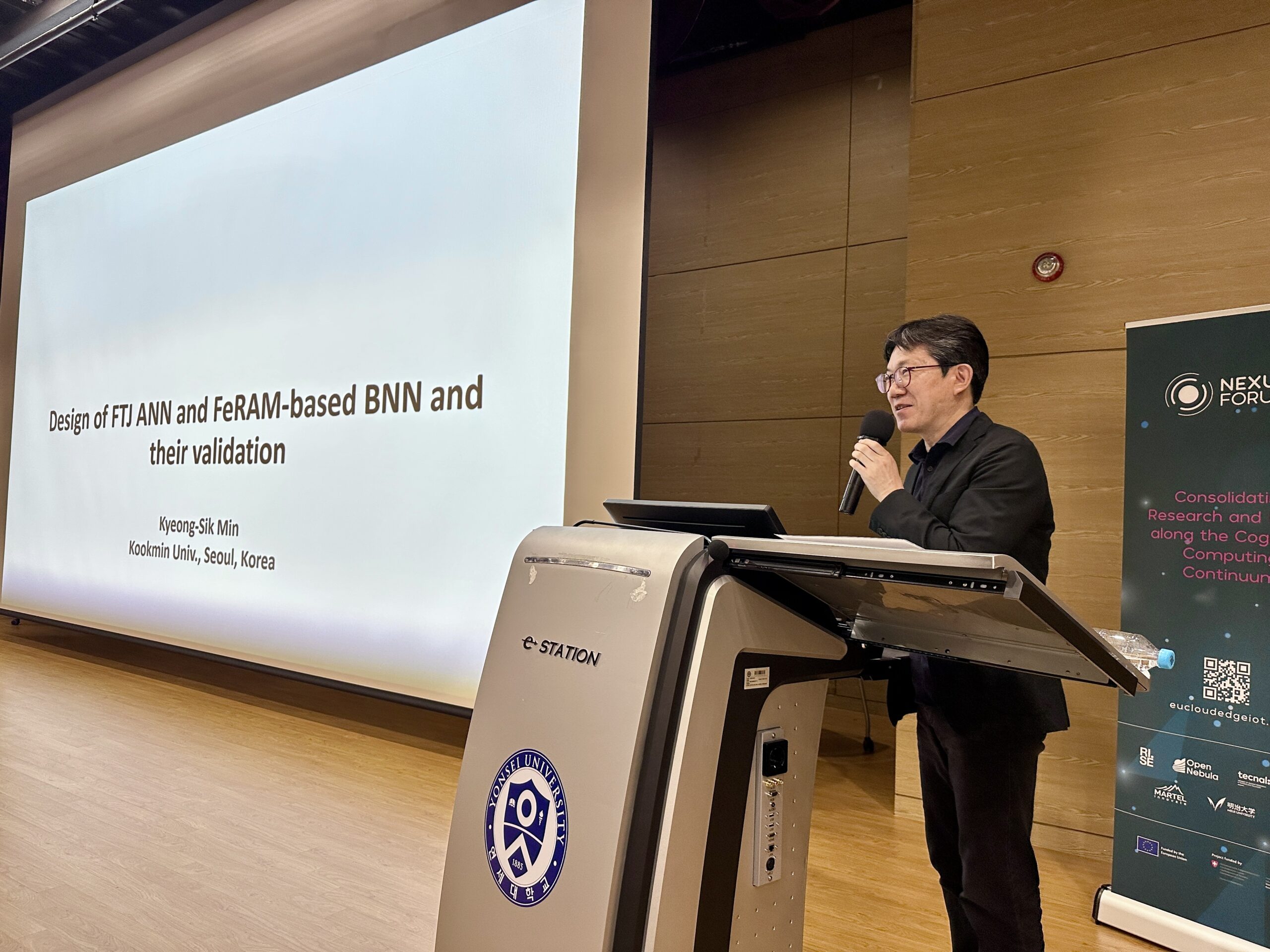
Speaker: Kyeong-Sik Min, Professor, Kookmin University, Seoul | Grant Agreement: 101194368
VitFOX is a collaborative EU-Korea research initiative developing next-generation ferroelectric memory devices designed to optimize Vision Transformer hardware. By utilizing ferroelectric materials for non-volatile, high-speed switching and compute-in-memory (CIM), the project significantly reduces data movement energy, achieving standby power 258 times lower than DRAM. The consortium, which includes partners from Germany, Greece, Austria, Switzerland, and four Korean universities, has already fabricated a 3D-integrated FeRAM chip that delivers energy efficiency 10–20 times better than conventional DRAM-based approaches. With the goal of achieving a 30% energy improvement for Vision Transformers, the project targets commercial viability within the next five years, positioning the partnership at the forefront of global AI hardware competition.
Cross-Cutting Observations from the Showcase
- All four projects demonstrate active, productive EU–Korea research collaboration with tangible outputs across diverse domains.
- Korean partners contribute domain expertise (genomics, smart cities, energy-efficient memory hardware) while benefiting from European ecosystem integration.
- Practical challenges (time zones, administrative reporting, travel budgets) are manageable and improving with Korea’s Horizon Europe association.
- Standardisation contributions (TOSCA/OASIS in Swarmchestrate, INTEND’s intent framework) ensure project outputs have lasting infrastructure impact.
- Korean partners consistently note the high motivation and collaborative spirit of European research consortia as a positive differentiator from domestic projects.
Session 11: Closing and Acknowledgment
Speakers: Maria-Angeliki Evliati, RISE, Monique Calisti, Martel Innovate The closing of Day 1 confirmed that the EU–South Korea digital partnership has reached operational maturity, shifting from abstract policy dialogue to a focus on actionable deployment and market impact. Maria-Angeliki Evliati noted the strong synergy between Korea’s rapid, iterative approach to technology and Europe’s comprehensive, ethics-first framework. Monique Calisti summarized six critical priority areas for the partnership, including AI governance alignment under the EU AI Act, human-centric AI, semiconductor supply chain security, and the development of global standards for 6G and quantum ecosystems. Significant upcoming initiatives include a joint working group for cross-border trusted data flows—leveraging Korea’s adoption of Gaia-X—and high-level milestones such as the INPACE event in September 2026 and the 4th Digital Partnership Council in Brussels.
Date: April 14, 2026
Location: Yonsei University International Campus, Incheon, South Korea
Objectives of Day 2 and contributing to NexusForum.EU Research & Innovation Roadmap presentation
Speakers: Maria-Angeliki Evliati,Thomas Ohlson, RISE
Day 2 moved from the “why” to the “what,” focusing on concrete EU–South Korea collaboration priorities to shape future R&I funding. Through the NexusForum Research & Innovation Roadmap, the session introduced a Cognitive Computing Continuum—an AI-native infrastructure integrating HPC, 6G, and quantum computing. Driven by the rise of agentic AI, the updated roadmap now positions AI as the central organizing layer. This participatory process ensures that external insights, particularly from South Korean partners, directly inform European policy and investment strategies beyond Horizon Europe.
Keynote 1: Emerging Technologies & the Future of EU–ROK Research Collaboration
Speaker: Jong-Souk (John) Yeo, Yonsei University
Using Yonsei University as a case study, this keynote highlighted the “science park” model—a “quadruple helix” where academia, industry, and government co-locate to drive innovation cycles. The presentation emphasized that emerging domains like semiconductors, quantum computing, and bio-convergence are now interdependent, with AI serving as a universal enabling layer. Moving beyond Industry 4.0, the speaker advocated for a “human–AI symbiosis” and nature-inspired sustainability, aligning South Korea’s manufacturing strengths with Europe’s leadership in social equity and responsible innovation. Ultimately, the session framed EU–South Korea cooperation as a strategic necessity to balance technological excellence with societal cohesion, ensuring a mutually beneficial and sustainable global digital infrastructure.
Keynote 2: Future of EU-ROK Research Collab
Speaker: Stefan Wendin, RISE
This keynote emphasized the human and systemic dimensions of EU-ROK cooperation, framing it as a cognitive learning process where cross-cultural perspectives help identify blind spots and challenge assumptions. A central theme was the importance of trust-based, self-correcting ecosystems that leverage collective intelligence to validate claims and refine innovation models through continuous testing. Referencing success stories like Sweden’s high unicorn production, the speaker argued that innovation outcomes depend more on the quality of collaborative support structures than on isolated technological excellence. Ultimately, the session concluded that successful international partnership requires moving beyond technological alignment to build transparent environments where shared learning and external validation ensure that innovation models remain relevant and actionable.
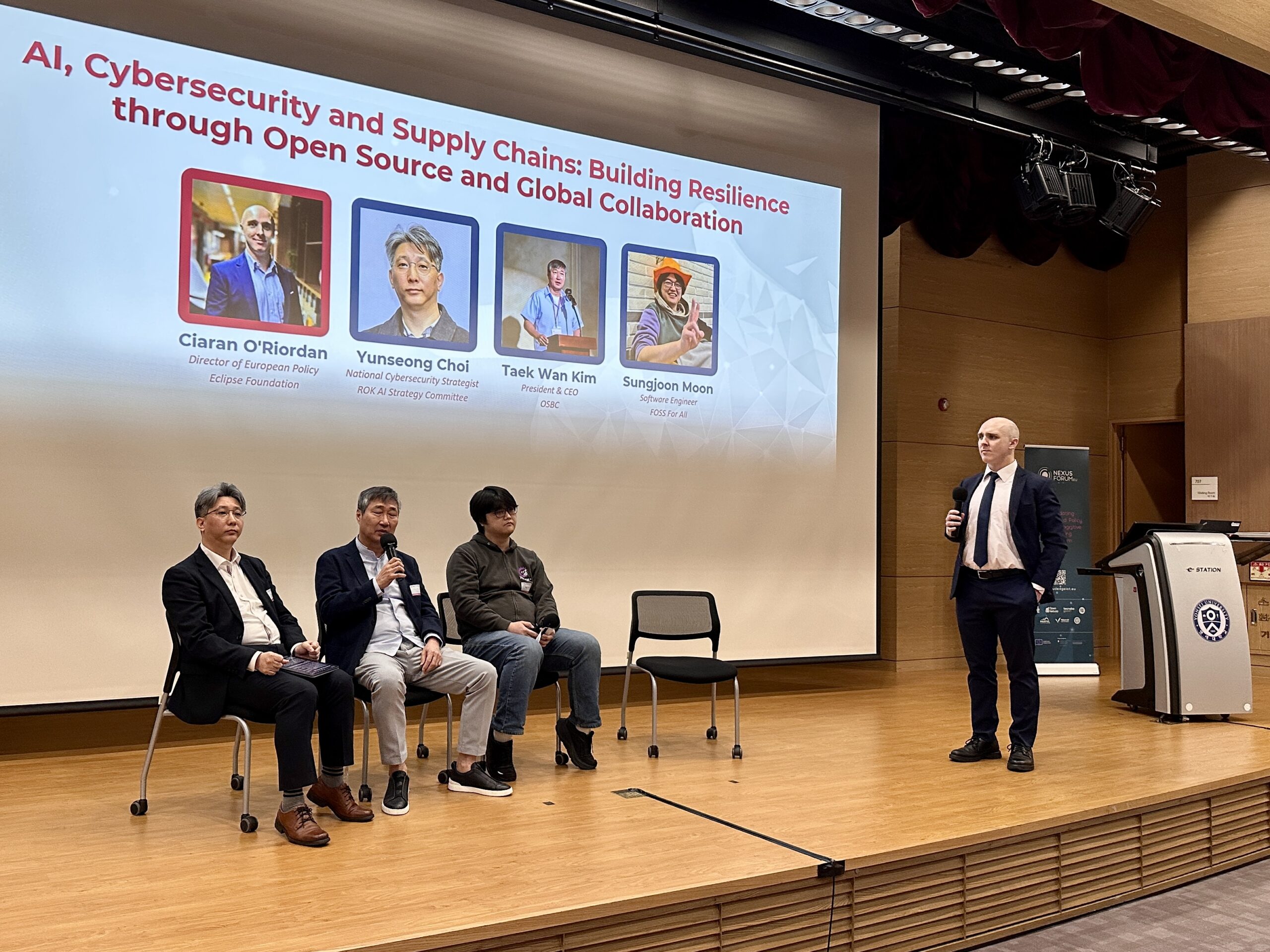
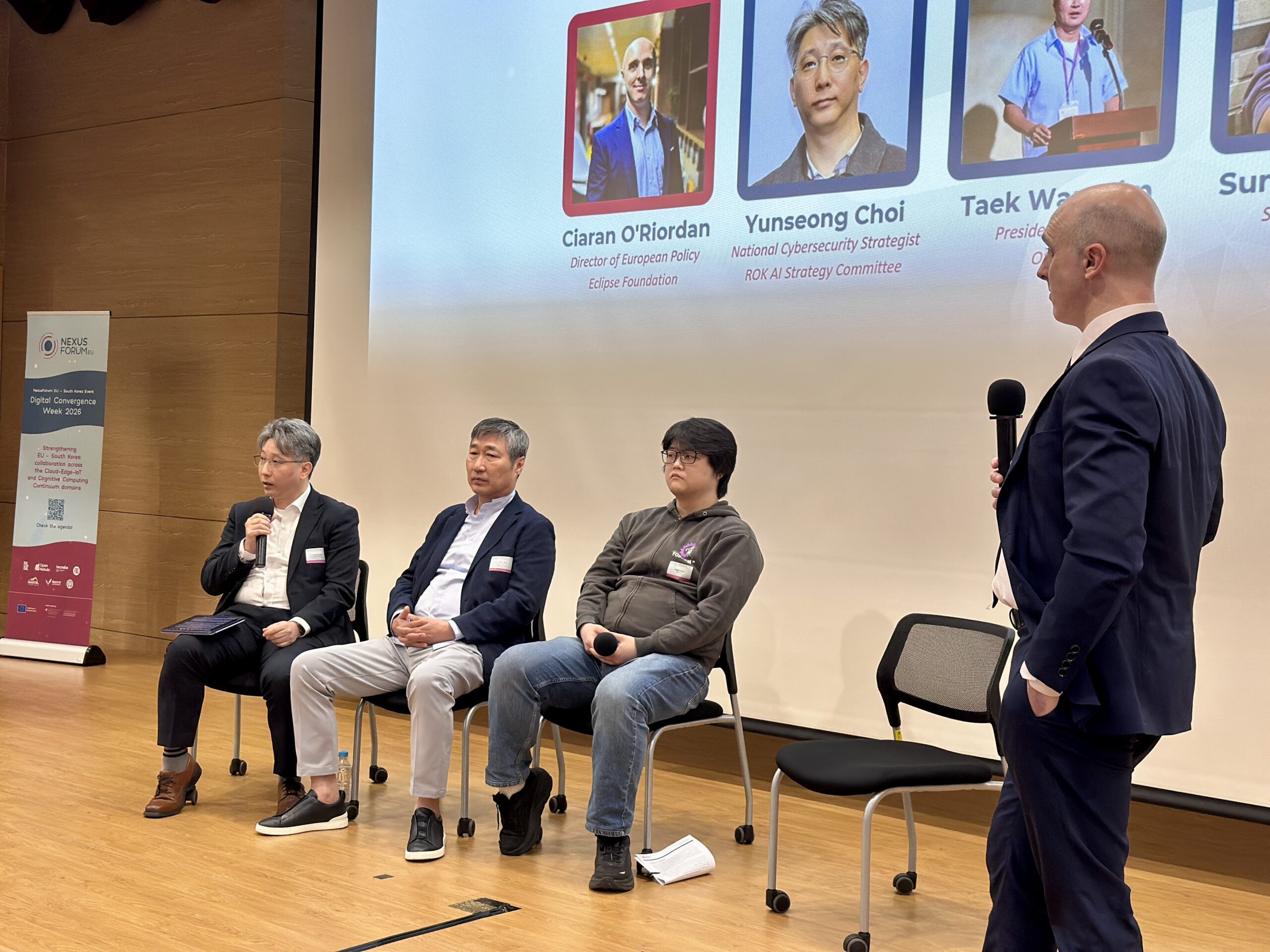
Panel 1: AI, Cybersecurity and Supply Chains: Building Resilience through Open Source and Global Collaboration
Moderator: Ciaran O’Riordan, Director of European Policy, Eclipse Foundation
Speakers: Yunseong Choi, Member, Security Special Committee, Presidential Council on National AI Strategy, Republic of Korea Intelligence Strategy; Taek Wan Kim, President & CEO, OSBC; Sungjoon Moon, FOSS For All
This panel explored the intersection of AI innovation, open-source governance, and global security, noting that “policy is the new licensing” as government regulation increasingly influences software ecosystems. A primary concern is the compressed cybersecurity lifecycle, where AI-driven exploits can now be deployed seconds after a vulnerability is found, necessitating automated, continuous verification.
Key Strategic Insights:
- The AI Paradox: While AI accelerates development, it complicates code reviews and expands supply chain risks by introducing untrusted, AI-generated components.
- Evolving Open Source: The traditional transparency of open source is being re-evaluated as AI makes it easier to analyze both open and closed code, shifting the focus toward collective remediation and “safe pass” regulatory mechanisms.
- Sovereign AI & Data: The panel noted that “sovereign” models are hindered by data that is technically open but practically inaccessible to smaller actors.
- Global Coordination: To combat fragmentation, the session called for mutual recognition of standards between the EU and South Korea, alongside shared infrastructures like continuous verification databases and SBOM-like (Software Bill of Materials) approaches.
The consensus was clear: the complexity of AI-driven threats makes international collaboration a strategic necessity for maintaining secure software supply chains.
Presentation: Cybersecurity & Cyber-Resilience Priorities in the EU ecosystem
Speaker: Iraklis Symeondis, RISE
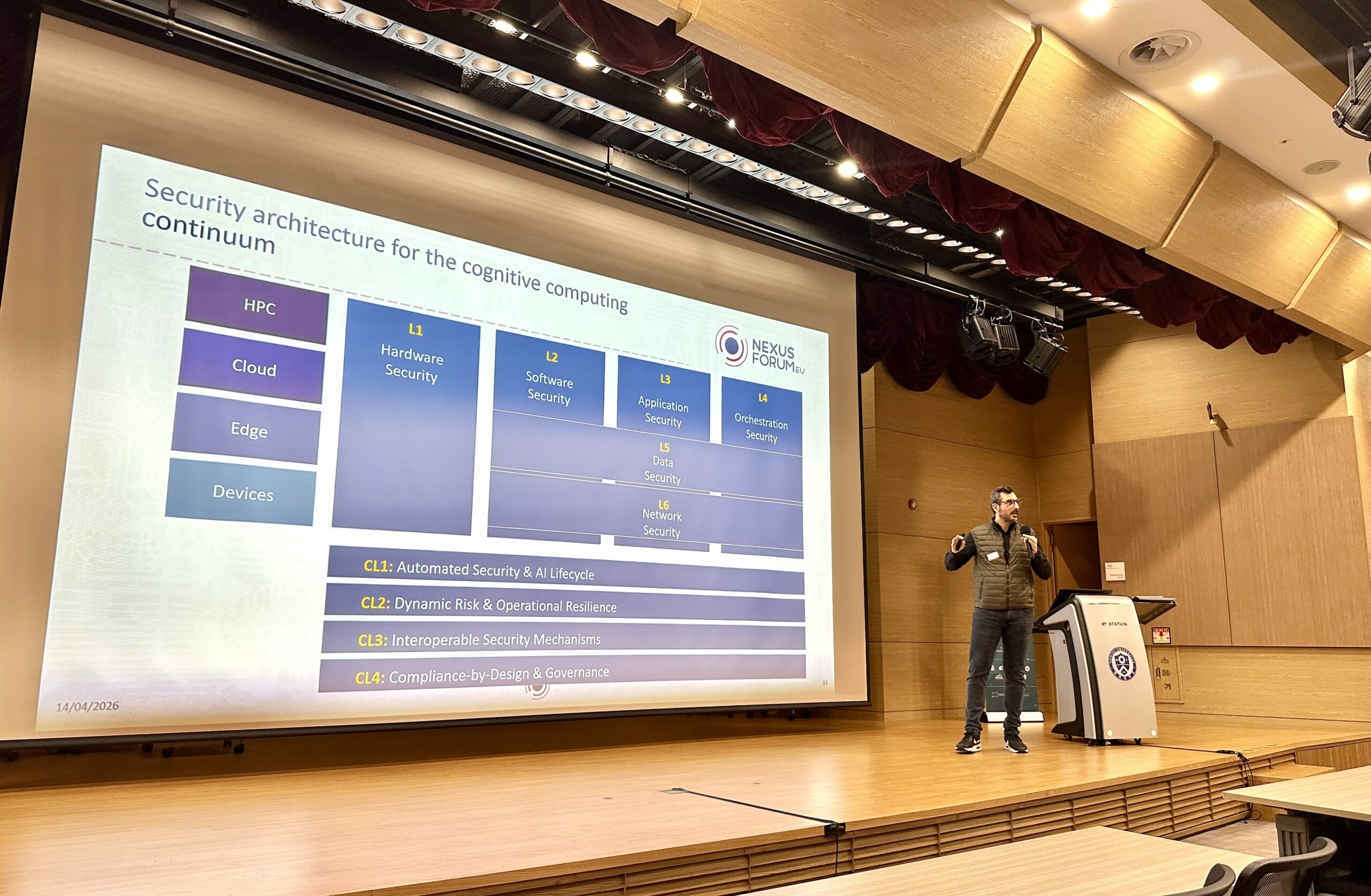
This presentation outlined a strategic roadmap to strengthen Europe’s digital sovereignty by narrowing its fragmented cybersecurity efforts into a focused, 15-year vision. Central to this approach is “compliance by design,” bridging the gap between high-level regulation and real-world operational resilience across hardware, software, and networks. The roadmap establishes three executive priorities: building Sovereign Trusted Infrastructure (ensuring end-to-end trust in global supply chains), developing Cognitive Systems (securing AI against persistent threats), and achieving Federated Operational Sovereignty (enabling secure, cross-border interoperability). By utilizing a phased execution model—illustrated by the urgent migration to post-quantum cryptography—the strategy emphasizes continuous verification, secure silicon, and international cooperation with partners like South Korea to move from theoretical security to a verified, resilient digital ecosystem.
Fireside chat: 6G and future networks
Speakers: Iraklis Symeondis, Ian Marsh, RISE
This fireside chat demystified 5G and 6G, clarifying that the shift to 6G is less about consumer speed and more about embedding intelligence and integrated sensing directly into the network layer. Moving beyond the unrealized industrial promises of 5G, 6G aims to transform market structures by reducing vendor lock-in and prioritizing enterprise use cases, such as self-optimizing infrastructure and environmental sensing via THz frequencies. A key priority for both the EU and South Korea is the convergence of network intelligence and industrial applications, where the network itself becomes a tool for real-time spatial awareness—potentially reducing reliance on cameras and LiDAR. Ultimately, the session framed 6G as a strategic pivot toward a business-driven, AI-native infrastructure that requires deep bilateral coordination to manage the complexity of transitioning from legacy systems to a fully automated “sensing-as-a-service” ecosystem.
Presentation: Building an EU–ROK Quantum Ecosystem
Speaker: Eneko Osaba, Tecnalia
Quantum technology’s extreme complexity and long development cycles necessitate a collaborative ecosystem, as no single entity can succeed in isolation. This ecosystem relies on a “quadruple helix” of academia, industry, and government to provide shared infrastructure, sustainable talent pipelines, and genuine industrial use cases driven by real-world data. Using the Basque Country as a model, the session emphasized a regional approach where local strengths in manufacturing and public-private partnerships complement broader EU initiatives. Looking forward, the focus is shifting toward hybrid HPC–quantum systems, requiring the development of a diverse talent base—extending beyond physics to AI and software—and the creation of industry-specific pilots to bridge the gap between theoretical research and practical application.
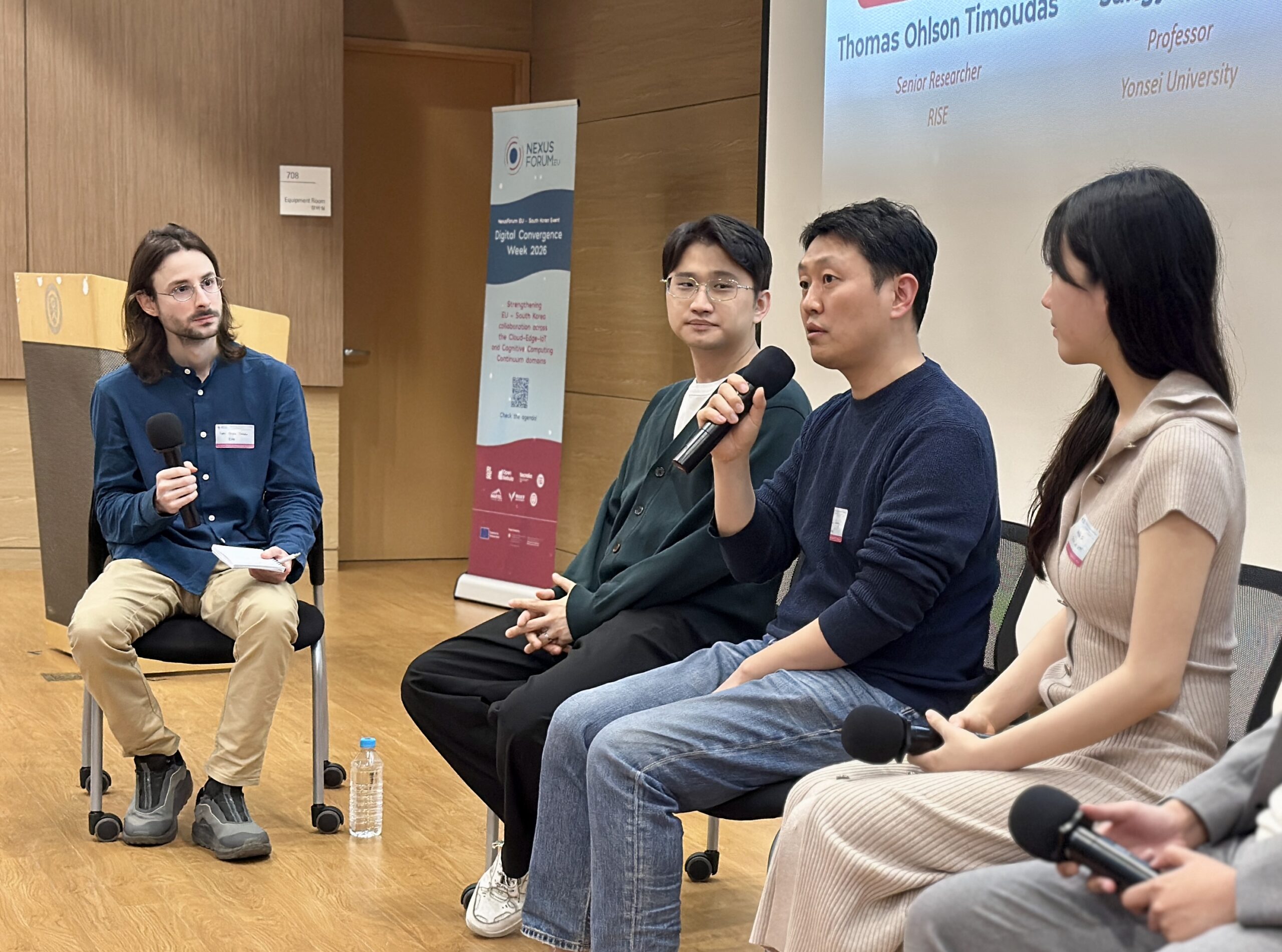
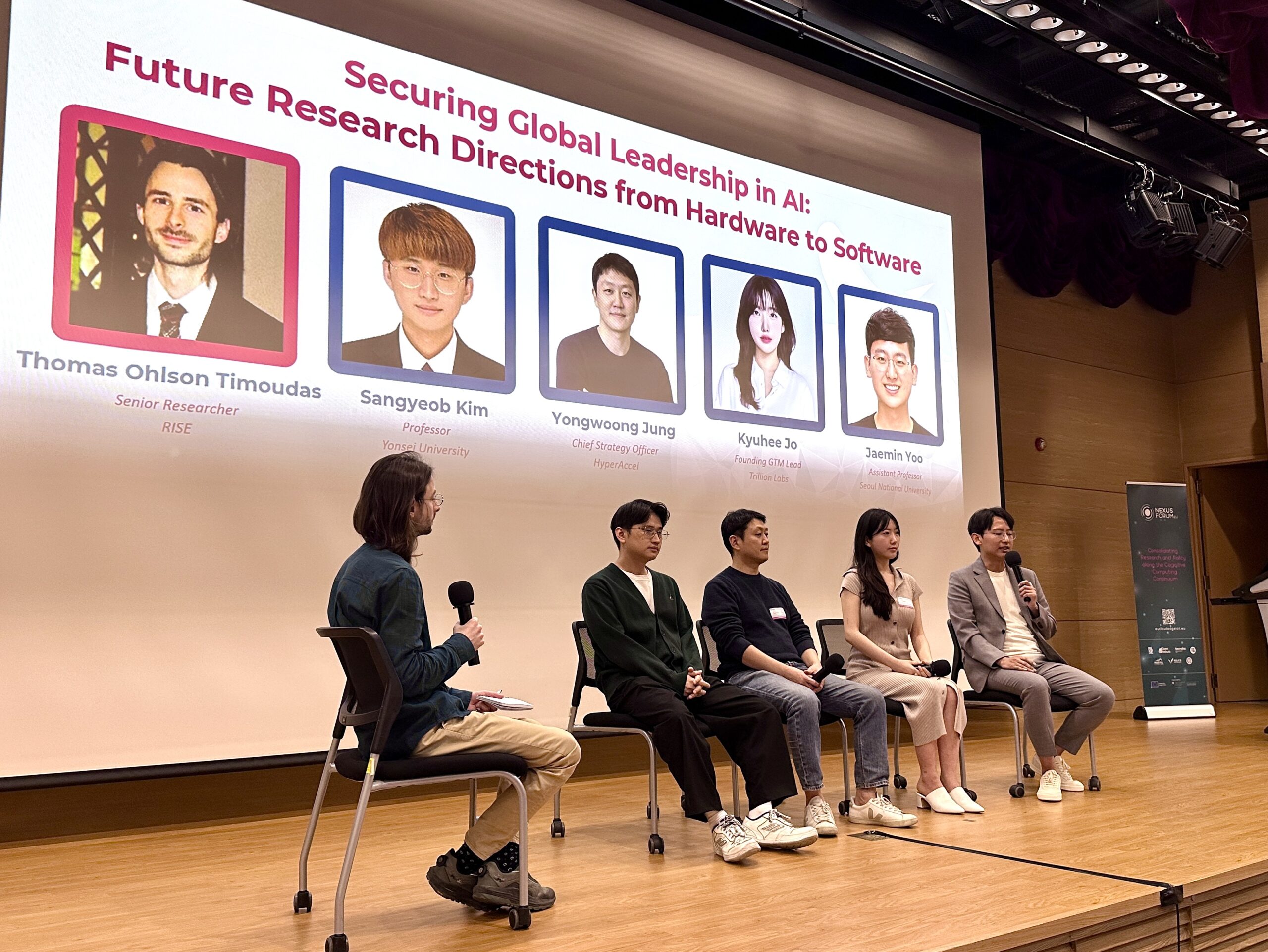
Panel 2: Securing Global Leadership in AI: Future Research Directions from Hardware to Software
Moderator: Thomas Ohlson Timoudas, Senior Researcher, RISE
Speakers: Prof. Sangyeob Kim, Efficient Artificial Intelligence Semiconductor System Laboratory, Yonsei University EASY LAB; Nasung Park, Business Development, HyperAccel; Jay Shin, CEO/Co-Founder, Trillion Labs; Jaemin Yoo, Assistant Professor, Seoul National University
This panel analyzed the full AI stack—from hardware to human capital—to identify systemic bottlenecks and align EU–South Korea research priorities. The discussion moved beyond “starting from scratch” toward deepening a strategic partnership centered on technological sovereignty.
Key Bottlenecks & Strategic Insights
- Hardware & Infrastructure: Beyond chip manufacturing, shortages in system-level components (substrates, power systems) and data center energy capacity are critical constraints.
- The Software Layer: A lack of flexible, model-agnostic toolchains creates friction between evolving AI models and hardware, driving up integration costs.
- Talent Drain: Retaining researchers against global tech giants is a shared challenge; competitiveness depends on better career pathways and academia-industry links.
- Architecture Shift: Moving toward heterogeneous computing (GPUs + NPUs/DPUs) and hardware-software co-design to optimize system-level performance and energy efficiency.
- Adoption Gaps: Real-world AI failure is often due to poor workflow integration and user resistance rather than technical model limitations.
- Future Research & Collaboration Opportunities
- Next-Gen Tech: Prioritizing neuromorphic computing, memory-centric systems, and tighter compute-logic integration.
- Joint Actions: Developing energy-efficient hardware, sharing large-scale compute testbeds, and launching talent exchange programs.
- Resilient Supply Chains: Building a cooperative ecosystem to reduce dependency on external providers and ensure long-term leadership.
Project pitch session – Research
Moderator: Tajana Medakovic, Project Manager, F6S
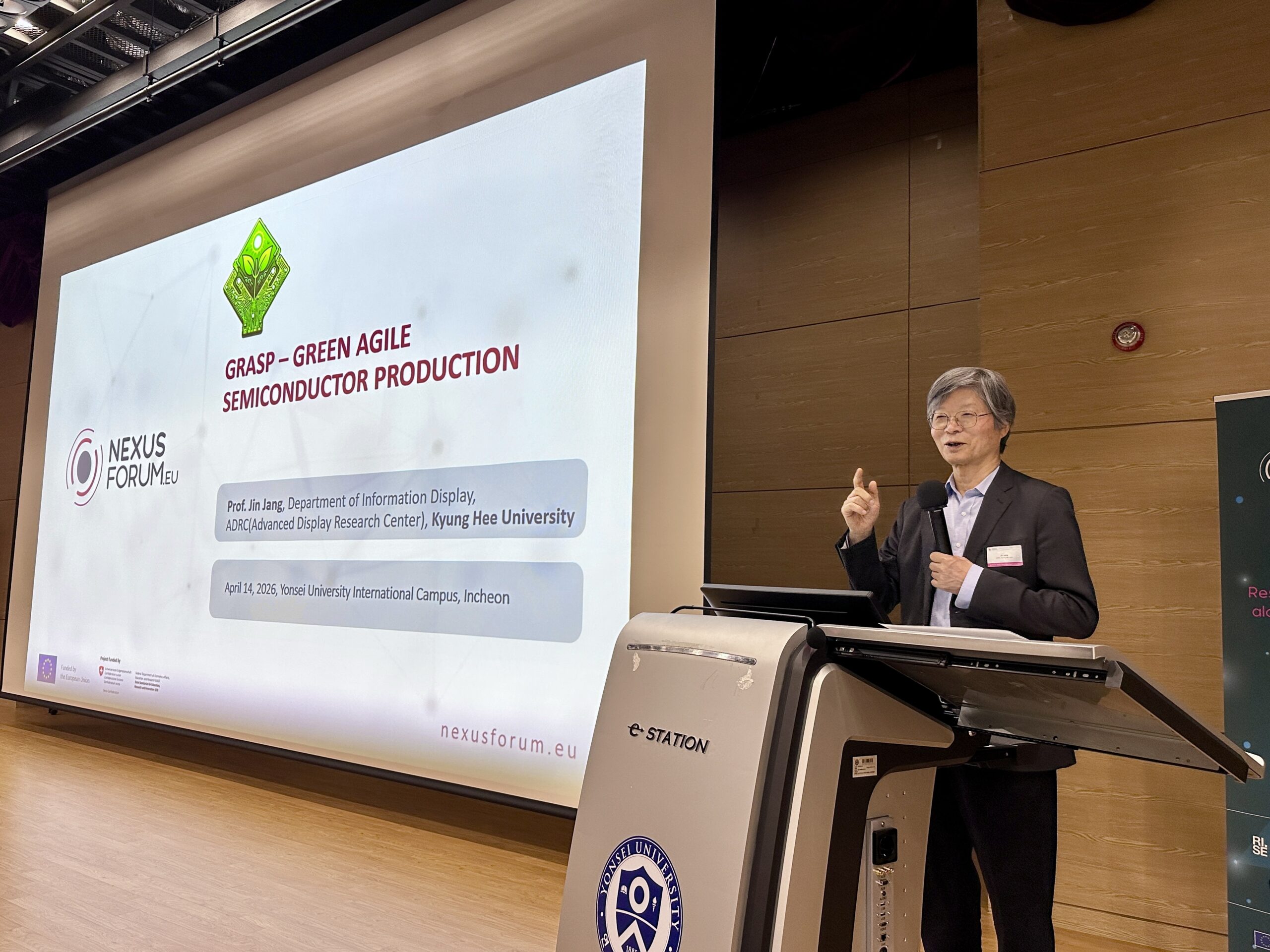
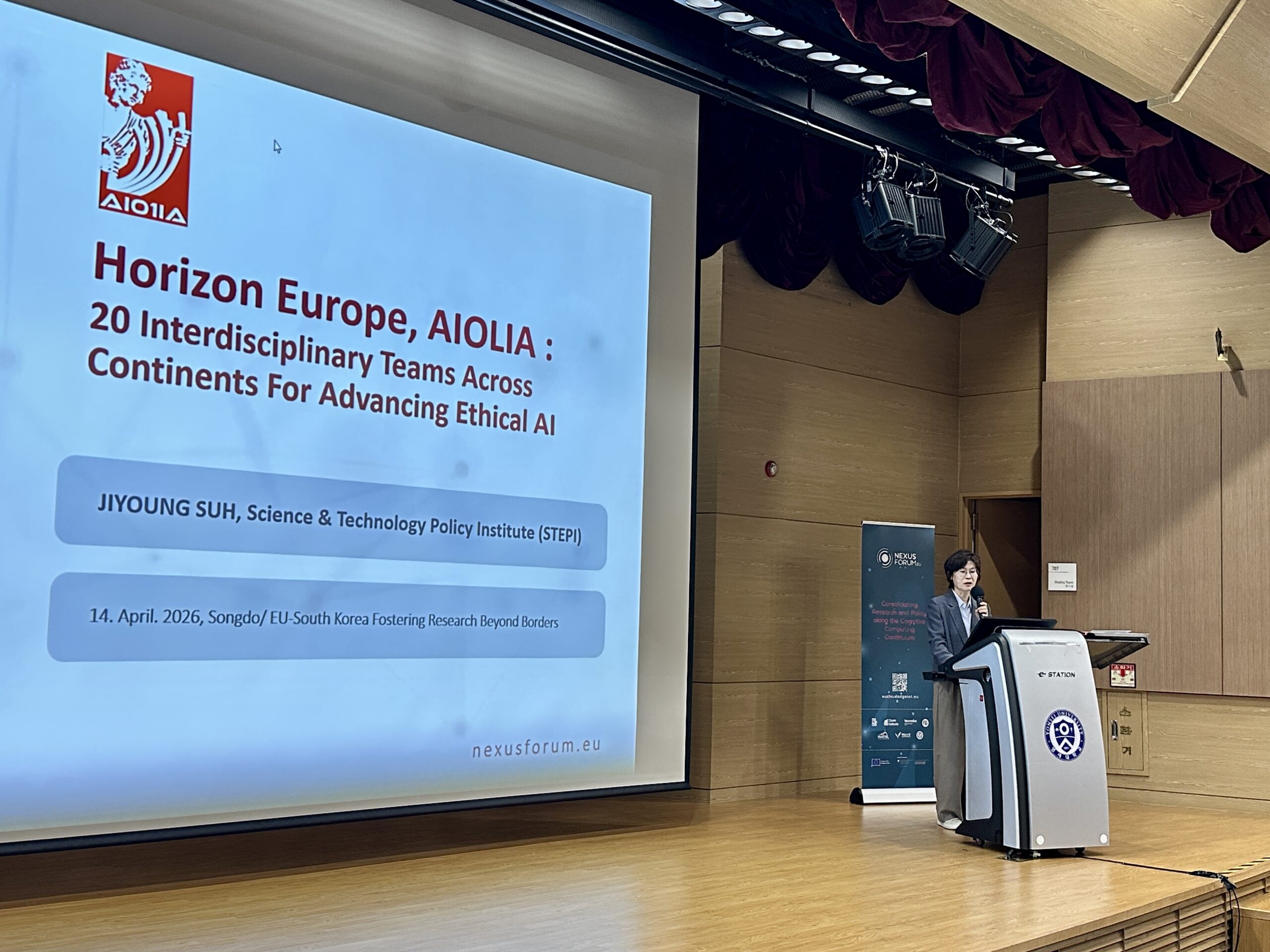
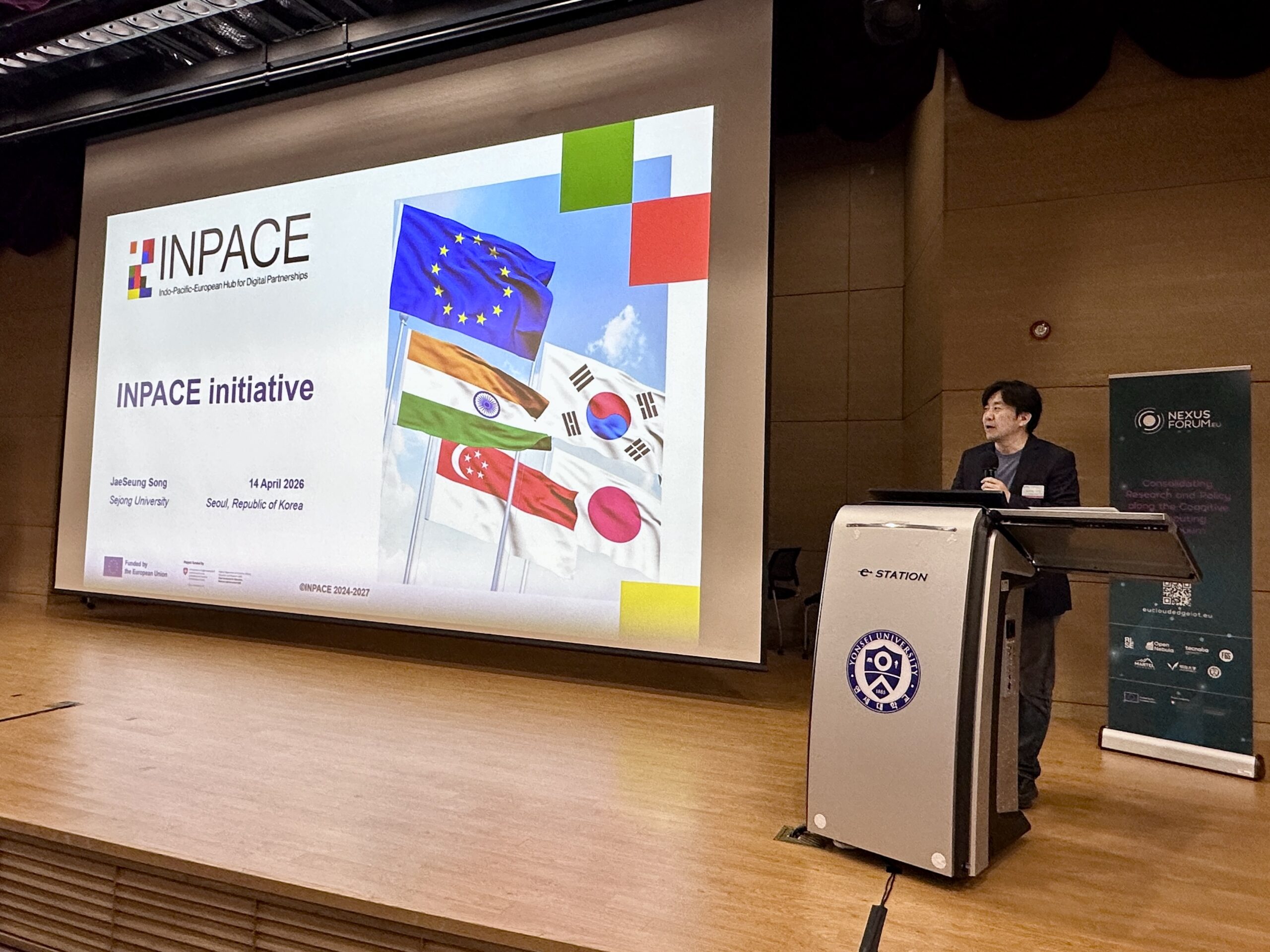
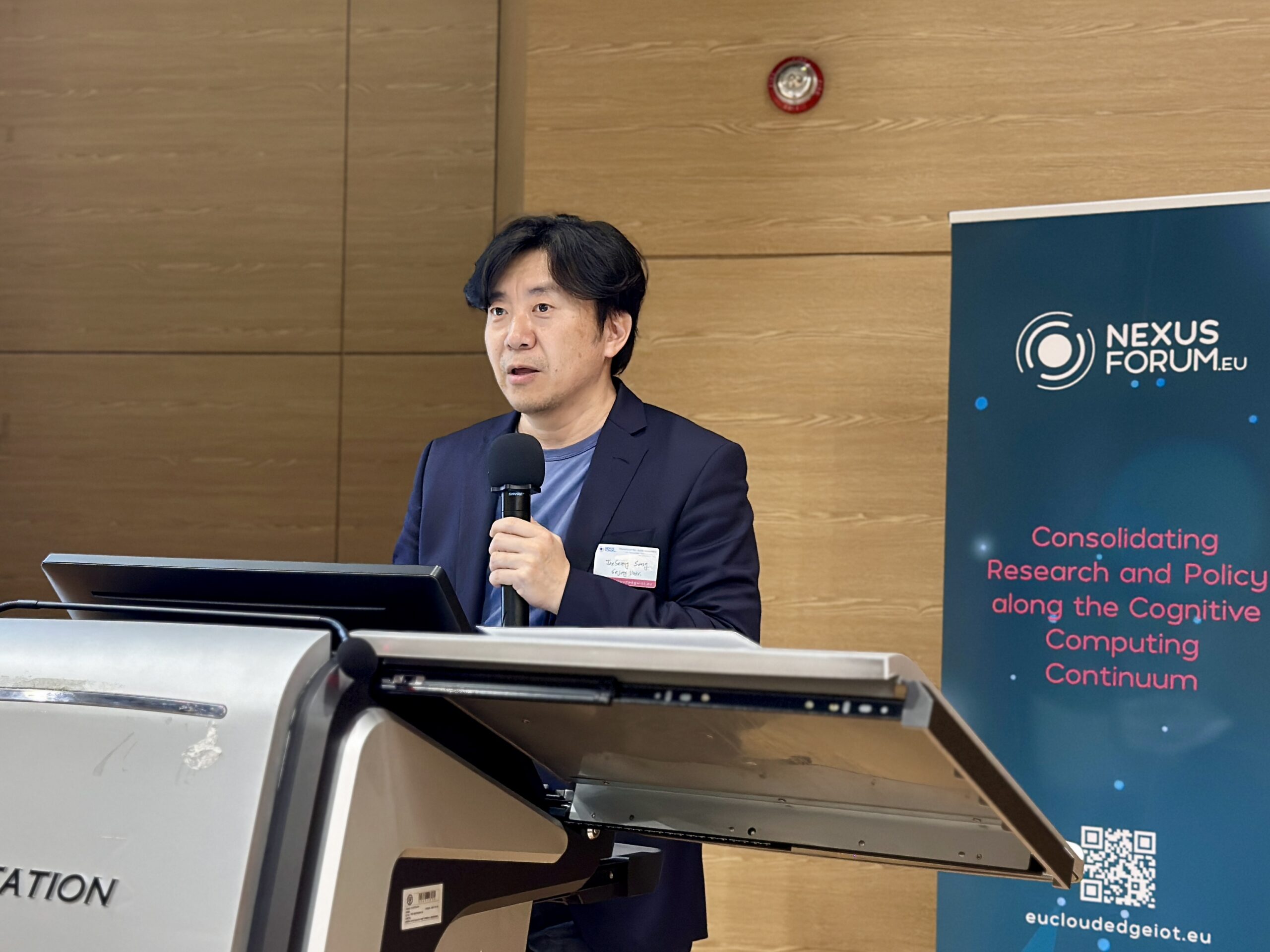
Speakers: Jin Jang, Professor (GRASP project); Jiyoung Suh, Senior Researcher, Science & Technology Policy Institute (AIOLIA project); JaeSeung Song, Professor at Sejong University (INPACE project)
The day concluded with three research initiatives demonstrating active EU–South Korea collaboration across hardware, ethics, and infrastructure:
- GRASP (Kyung Hee University): Showcased Korean excellence in semiconductor and display research, specifically thin-film transistors (TFTs) and low-power device design, feeding into next-gen hardware systems.
- AIOLIA (STEPI): Focuses on the operationalization of AI ethics, bridging the gap between theory and engineering through practical tools and training to ensure human-centered AI development.
- INPACE (Sejong University): Provides the framework for digital partnerships, driving interoperability through hackathons and standardization projects (e.g., linking oneM2M and MEC architectures for IoT).
Core Message: Collaboration is already materializing through hardware research, ethical frameworks, and IoT standards. These projects prove that the EU-ROK partnership has moved beyond dialogue into concrete co-creation, building the foundation for sustained long-term innovation.